
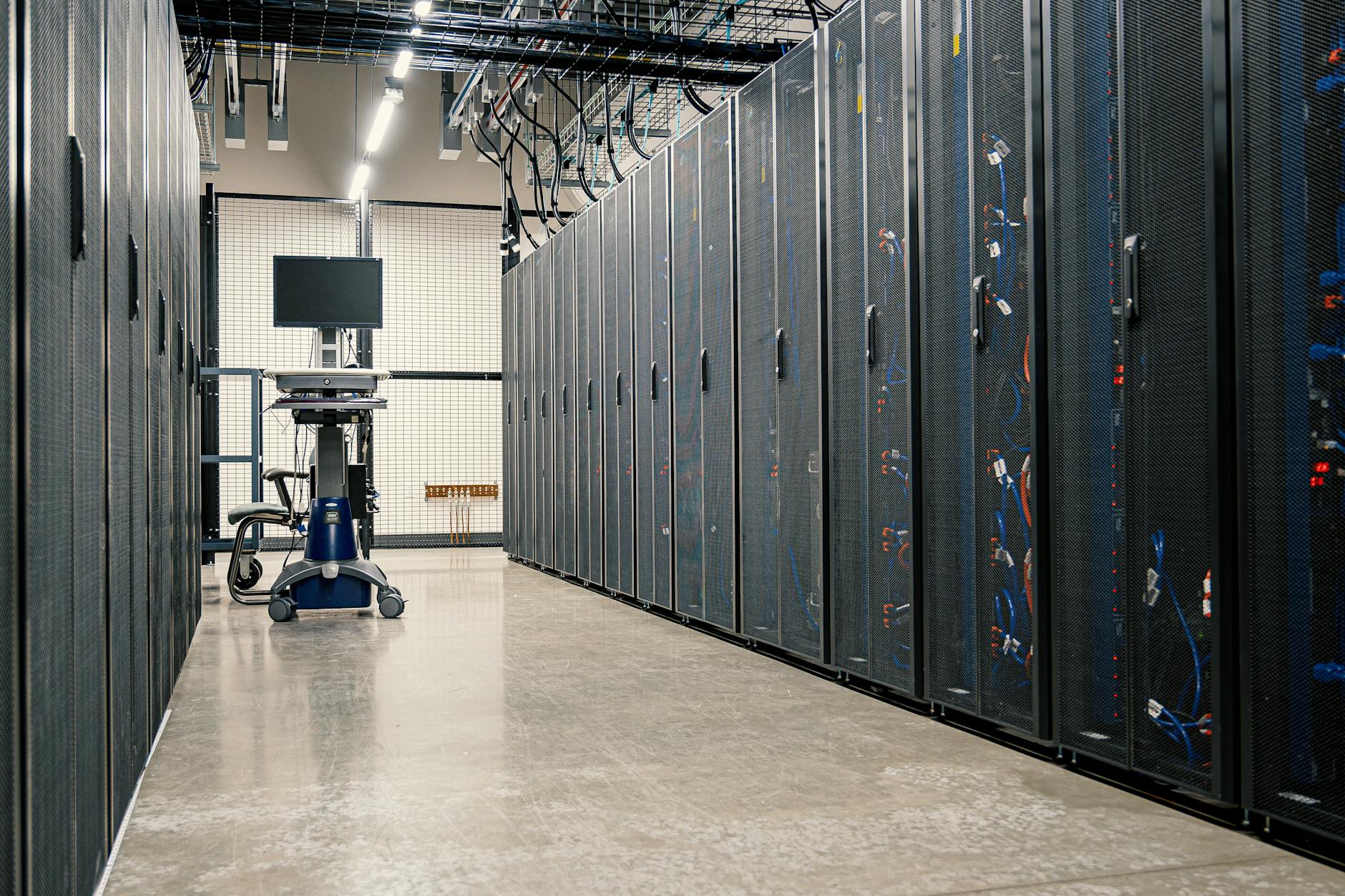
When the headline that Anthropic, the fast‑growing AI startup founded by former OpenAI researchers, signed a deal for Australia’s largest data‑center capacity hit the wires, the tech community buzzed with excitement and a hint of unease. On one hand, the partnership promises to super‑charge Anthropic’s model training and inference capabilities with a massive, low‑latency footprint down under. On the other, the contract ties the company to a power supply that, for the foreseeable future, will be dominated by coal. It’s a classic clash of ambition and sustainability, and it forces us to ask: how will the AI industry reconcile its hunger for compute with the planet’s climate limits?
What’s Going On
According to Anthropic Signs Australia's Largest Data, the startup has inked a multi‑year agreement with a leading Australian data‑center operator to lease a dedicated block of floor space, power, and cooling infrastructure. The deal is touted as the biggest single‑tenant data‑center commitment in the country’s history, covering several megawatts of compute capacity that will be used to run Anthropic’s Claude models and future AI research projects.
The contract is not just about space; it includes a long‑term power purchase agreement (PPA) that locks Anthropic into the region’s existing energy mix. Australia’s grid, while increasingly integrating renewables, still relies heavily on coal—especially in the state where the data‑center sits. Analysts estimate that the PPA will keep the facility powered by coal for at least the next five to seven years, a timeline that aligns with Anthropic’s projected growth trajectory.
Beyond the raw numbers, the partnership signals a strategic shift for Anthropic. Until now, the company has primarily leveraged cloud providers in North America and Europe, where renewable energy credits and carbon‑offset programs are more mature. By moving a substantial workload to Australia, Anthropic gains geographic redundancy, lower latency for users in the Asia‑Pacific region, and a foothold in a market that is rapidly adopting AI‑driven services across finance, mining, and healthcare.
Why This Matters
Industry analysts note that the move could set a precedent for how AI firms negotiate energy contracts in emerging markets. The Global Market for Automotive Data Moneti report, while focused on a different sector, underscores the accelerating demand for data‑intensive services and the associated energy footprint. If AI providers start locking in coal‑heavy PPAs, the cumulative carbon impact could dwarf the emissions of many traditional industries.
From a competitive standpoint, the deal forces other AI players to confront a stark choice: double down on green cloud strategies or chase cost‑effective but carbon‑intensive power sources. Companies like Microsoft and Google have publicly pledged to power their data centres with 100% renewable energy by 2030, using a mix of on‑site solar, wind farms, and renewable‑energy certificates. Anthropic’s decision, however, suggests that cost, latency, and market access can outweigh sustainability goals—at least in the short term.
The environmental implications extend beyond corporate carbon accounting. Australia’s coal‑dependent states are already under pressure from climate activists and international investors to transition to cleaner energy. A high‑profile AI contract that locks in coal power could attract criticism from NGOs, trigger shareholder activism, and potentially influence policy discussions around renewable subsidies and carbon pricing.
What It Means for the Industry
Strategically, Anthropic’s Australian foothold could accelerate the regional AI ecosystem. Local startups will gain easier access to world‑class models, fostering a wave of AI‑enabled products tailored to the Australian market—think predictive maintenance for mining equipment, AI‑driven medical imaging, and advanced financial analytics. This could, in turn, stimulate demand for data‑center services, creating a feedback loop that entrenches coal‑based power unless policymakers intervene.
On the financial side, the deal showcases how data‑center real estate is becoming a critical asset class for AI firms. Investors are watching closely, especially those with exposure to Australian infrastructure funds. The partnership may also influence the valuation of companies like DUG Technology, which specialize in data‑center development and management. For a deeper dive into how such firms are positioned, see What Could DUG Technology (ASX:DUG) Mean for small‑caps.
From a risk management perspective, the reliance on coal introduces regulatory and reputational vulnerabilities. Future carbon‑pricing mechanisms or stricter emissions reporting could increase operating costs for Anthropic’s Australian operations, eroding the financial advantage that the low‑cost coal power currently provides. Companies may need to hedge against such policy shifts by investing in on‑site renewable generation or purchasing carbon offsets, adding another layer of complexity to their cost structures.
What Happens Next
The full announcement, covered in detail by industry outlets, highlights Anthropic’s confidence that the Australian market will soon see a greener energy mix, but the timeline remains uncertain. For now, the company is betting that the immediate benefits—expanded capacity, regional latency improvements, and a strategic market presence—outweigh the long‑term sustainability concerns. The AI startup CEO warns everyone saying tha piece reflects a broader industry sentiment that competitive pressures may push firms toward pragmatic, rather than idealistic, energy choices.
Looking ahead, several scenarios could unfold. If Australia accelerates its renewable rollout and introduces robust carbon‑pricing, Anthropic may be compelled to renegotiate its PPA or invest in on‑site solar and battery storage. Conversely, if coal remains dominant, the company could face mounting pressure from investors and the public to demonstrate a clear path toward decarbonization—perhaps by purchasing verified carbon credits or supporting local renewable projects.
In any case, Anthropic’s move serves as a litmus test for the AI industry’s willingness to balance rapid growth with environmental responsibility. Stakeholders—from venture capitalists to policy makers—will be watching closely to see whether this partnership becomes a model for responsible expansion or a cautionary tale of short‑term gain at the expense of the planet.


