
What's Going On
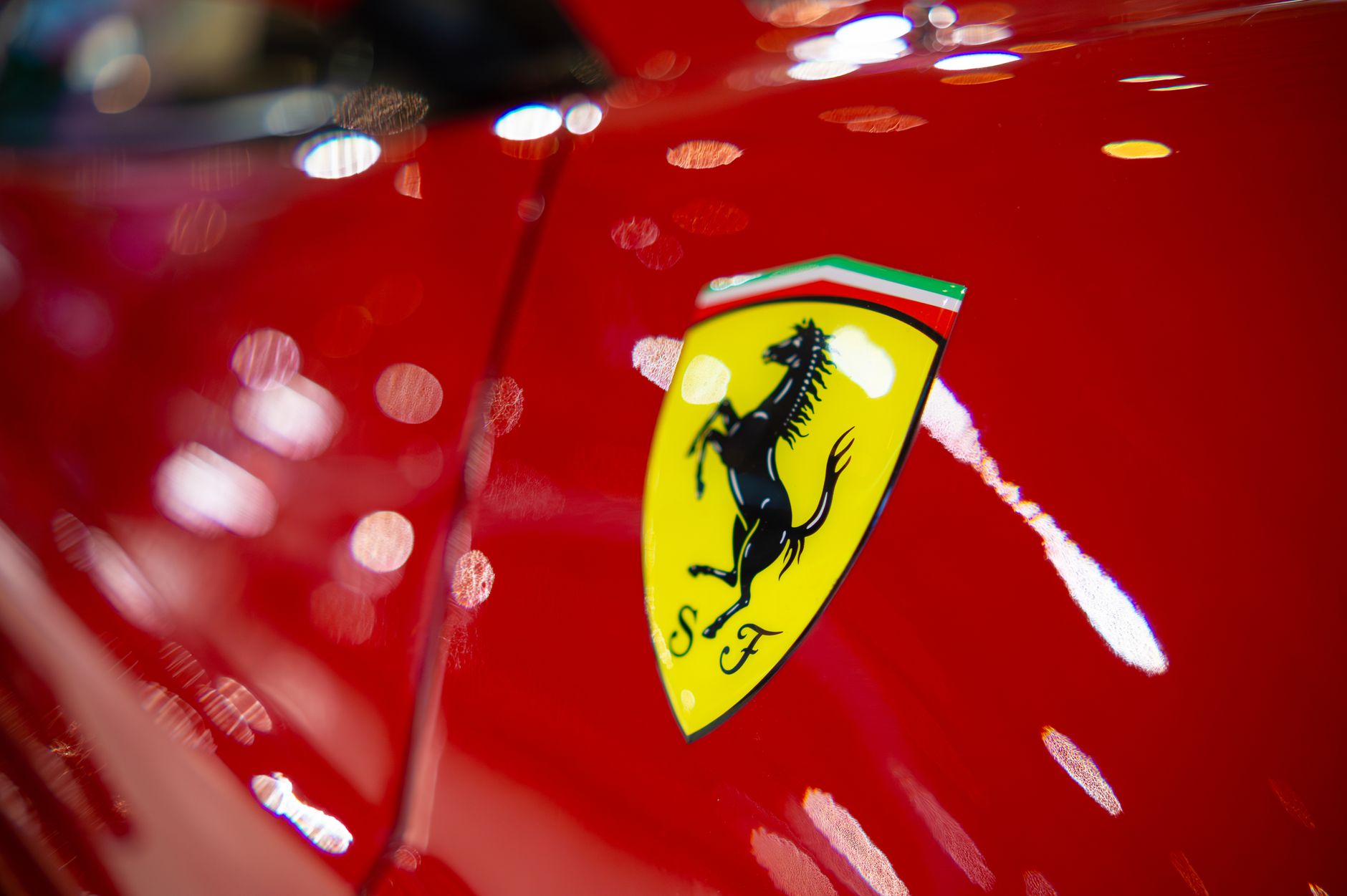
Ferrari, the renowned Italian luxury sports car manufacturer, has recently unveiled its new electric vehicle, the Luce. However, the company's decision to go electric has not been without controversy. According to news reports, a significant portion of Ferrari's fan base has taken to social media to express their discontent with the new model, citing that it has become too "Californian" in its design and features.
The Luce, Ferrari's first-ever electric production car, was unveiled at the 2026 Geneva Motor Show, and it was met with a mixed reaction from fans and critics alike. While some praised the car's sleek design and impressive performance capabilities, others felt that it strayed too far from Ferrari's traditional Italian heritage.
One of the main concerns raised by Ferrari's fans is that the Luce's design is too influenced by California culture, with some even going as far as to say that it looks like a car from a Los Angeles-based company rather than an Italian one. This criticism is not just limited to the car's design; some fans have also taken issue with the Luce's features, which they feel are too focused on luxury and comfort rather than performance and driving dynamics.
Why This Matters
The backlash against Ferrari's new electric vehicle is significant because it highlights the challenges that luxury brands face when trying to adapt to changing consumer preferences. As the world becomes increasingly environmentally conscious, many consumers are looking for more sustainable options, including electric vehicles. However, this shift towards sustainability can be at odds with the traditional values and heritage of luxury brands like Ferrari.
According to industry analysts, the controversy surrounding the Luce is a reminder that luxury brands need to balance their commitment to sustainability with their commitment to their traditional values and heritage. If they fail to do so, they risk alienating their loyal customer base and losing their brand identity.
The impact of this controversy will not be limited to Ferrari alone. The automotive industry as a whole is undergoing a significant shift towards electric and hybrid vehicles, and other luxury brands will be watching Ferrari's every move to see how they handle the transition. As the industry continues to evolve, we can expect to see more and more luxury brands facing similar challenges and controversies.
What It Means for the Industry
The controversy surrounding Ferrari's new electric vehicle is a significant development in the automotive industry, and it highlights the challenges that luxury brands face when trying to adapt to changing consumer preferences. It also serves as a reminder that luxury brands need to balance their commitment to sustainability with their commitment to their traditional values and heritage.
The implications of this controversy will be far-reaching, and it will have a significant impact on the way that luxury brands approach their sustainability efforts. It will require them to rethink their design and feature priorities, as well as their marketing and branding strategies. Ultimately, the success of luxury brands will depend on their ability to adapt to changing consumer preferences while staying true to their traditional values and heritage.
The strategic impact of this controversy will be significant, and it will have a lasting impact on the automotive industry. It will require luxury brands to be more transparent and communicative with their customers, as well as more adaptable and responsive to changing consumer preferences. It will also require them to invest in new technologies and infrastructure, such as charging stations and battery recycling facilities.
What Happens Next
The controversy surrounding Ferrari's new electric vehicle is not going away anytime soon, and it will continue to be a major point of discussion in the automotive industry. Ferrari has announced that it will be releasing a series of updates to the Luce, including new design features and improved performance capabilities. The company has also stated that it will be working closely with its fans to address their concerns and feedback.
According to the full announcement, Ferrari's CEO has committed to making the Luce a more Italian and more performance-oriented vehicle, and the company has promised to engage more closely with its fans and customers to ensure that their needs and concerns are met.
While the controversy surrounding the Luce has been significant, it has also provided Ferrari with an opportunity to reinvigorate its brand and reconnect with its loyal customer base. The company has a long history of innovation and excellence, and it is well-positioned to succeed in the electric vehicle market. As the automotive industry continues to evolve, Ferrari will need to stay focused on its traditional values and heritage while also embracing new technologies and consumer preferences.
Conclusion
The controversy surrounding Ferrari's new electric vehicle has been significant, and it highlights the challenges that luxury brands face when trying to adapt to changing consumer preferences. However, it also provides an opportunity for Ferrari to reinvigorate its brand and reconnect with its loyal customer base. As the automotive industry continues to evolve, Ferrari will need to stay focused on its traditional values and heritage while also embracing new technologies and consumer preferences.
The success of Ferrari will depend on its ability to adapt to changing consumer preferences while staying true to its traditional values and heritage. If it can achieve this balance, it will emerge stronger and more resilient than ever before. But if it fails, it risks losing its brand identity and alienating its loyal customer base.
One thing is certain: the controversy surrounding Ferrari's new electric vehicle is a significant development in the automotive industry, and it will have a lasting impact on the way that luxury brands approach their sustainability efforts. As the industry continues to evolve, we can expect to see more and more luxury brands facing similar challenges and controversies.


