
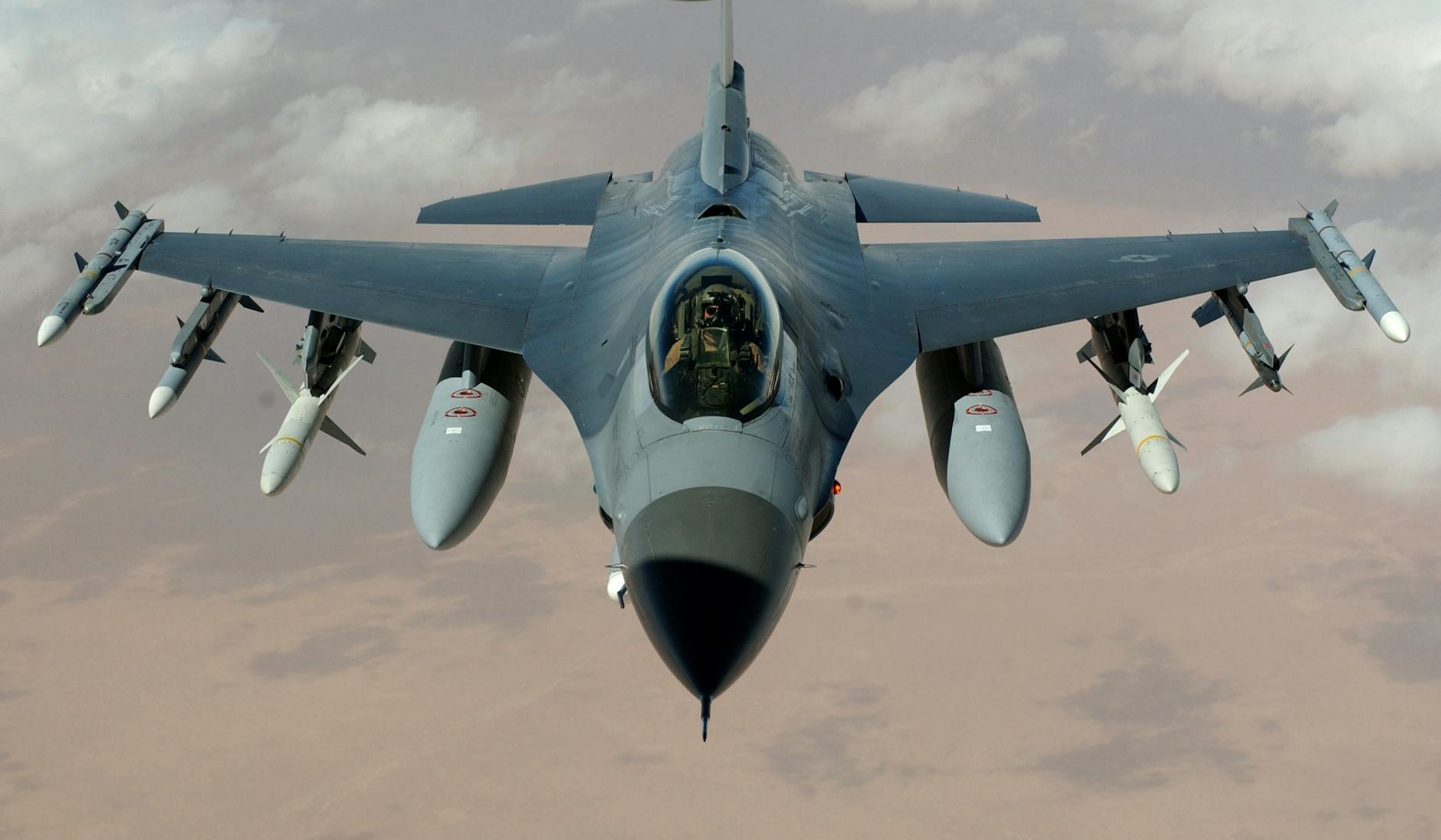
The US Air Force is taking significant steps to modernize its air operations command and control system, a critical component of its military operations. This upgrade is part of a broader effort to enhance the Air Force's capabilities and stay ahead of emerging threats. The Air Force is exploring the use of Other Transaction Authorities (OTAs) and agile acquisition methods to accelerate the development and deployment of the next-generation system. According to Air Force eyes OTAs, agile acquisition for next-gen air operations command and control system, this approach will enable the Air Force to work more closely with industry partners and leverage cutting-edge technologies.
What's Going On
The current air operations command and control system has been in use for several decades and is in need of an upgrade to keep pace with advancing technologies and evolving threats. The Air Force has recognized the need for a more modern and agile system that can effectively integrate with other military systems and platforms. The use of OTAs and agile acquisition methods is expected to facilitate a more collaborative and iterative development process, allowing the Air Force to respond quickly to changing requirements and technological advancements.
The Air Force's decision to adopt OTAs and agile acquisition methods reflects a broader shift in the Department of Defense's approach to procurement and acquisition. The traditional acquisition process has often been criticized for being slow and inflexible, leading to delays and cost overruns. In contrast, OTAs and agile acquisition methods offer a more flexible and adaptive approach, enabling the Air Force to work closely with industry partners and respond quickly to emerging needs and technologies.
The next-generation air operations command and control system is expected to play a critical role in the Air Force's future operations, enabling more effective command and control of air assets and enhancing the overall effectiveness of military operations. The system will need to be highly scalable, flexible, and interoperable, with the ability to integrate with a wide range of systems and platforms.
Why This Matters
The Air Force's upgrade of its air operations command and control system has significant implications for the broader military and defense industry. The use of OTAs and agile acquisition methods is likely to have a major impact on the way the Department of Defense approaches procurement and acquisition, with potential benefits including increased speed, flexibility, and innovation. As Lenovo Legion Tab (Gen 5) launches in the US with 8.8-inch display, $849 worth of RAM demonstrates, the technology industry is constantly evolving, and the Air Force's adoption of OTAs and agile acquisition methods reflects a recognition of the need to keep pace with these advancements.
The upgrade of the air operations command and control system also reflects a broader recognition of the importance of command and control in modern military operations. Effective command and control is critical to the success of military operations, enabling commanders to make informed decisions and respond quickly to changing circumstances. The next-generation system will need to be highly effective in supporting these operations, with advanced capabilities for situational awareness, decision-making, and communication.
The Air Force's decision to upgrade its air operations command and control system is also driven by the need to address emerging threats and challenges. The military is facing an increasingly complex and dynamic threat environment, with adversaries that are highly sophisticated and adaptable. The next-generation system will need to be capable of responding to these threats, with advanced capabilities for detection, tracking, and engagement.
What It Means for the Industry
The Air Force's adoption of OTAs and agile acquisition methods has significant implications for the defense industry, with potential benefits including increased opportunities for innovation and collaboration. The use of OTAs and agile acquisition methods is likely to lead to a more dynamic and adaptive approach to procurement and acquisition, with a greater emphasis on speed, flexibility, and responsiveness. This approach is likely to create new opportunities for industry partners to work closely with the Air Force and contribute to the development of the next-generation air operations command and control system.
The upgrade of the air operations command and control system also reflects a broader recognition of the importance of technology in modern military operations. The Air Force is recognizing the need to leverage advanced technologies, including artificial intelligence, machine learning, and cybersecurity, to enhance the effectiveness of its operations. The next-generation system will need to be highly advanced, with capabilities for real-time data analytics, predictive maintenance, and autonomous operations.
The Air Force's decision to upgrade its air operations command and control system is also driven by the need to address the challenges of interoperability and integration. The military is facing significant challenges in integrating different systems and platforms, with a need for greater standardization and compatibility. The next-generation system will need to be highly interoperable, with the ability to integrate with a wide range of systems and platforms.
What Happens Next
The Air Force's upgrade of its air operations command and control system is expected to be a complex and challenging process, with significant implications for the broader military and defense industry. The use of OTAs and agile acquisition methods is likely to lead to a more dynamic and adaptive approach to procurement and acquisition, with a greater emphasis on speed, flexibility, and responsiveness. For more information on the Air Force's plans, you can check out the full announcement and learn more about the next-generation air operations command and control system.
The Air Force's adoption of OTAs and agile acquisition methods reflects a broader recognition of the need for innovation and experimentation in the defense industry. The use of OTAs and agile acquisition methods is likely to lead to a more collaborative and iterative development process, with a greater emphasis on prototyping, testing, and evaluation. As Nucleus Research Releases 2026 IaaS Technology Value Matrix notes, the technology industry is constantly evolving, and the Air Force's adoption of OTAs and agile acquisition methods reflects a recognition of the need to keep pace with these advancements.
The upgrade of the air operations command and control system is a critical component of the Air Force's efforts to modernize its military capabilities and stay ahead of emerging threats. The next-generation system will need to be highly advanced, with capabilities for real-time data analytics, predictive maintenance, and autonomous operations. The Air Force's adoption of OTAs and agile acquisition methods reflects a recognition of the need for innovation and experimentation in the defense industry, and the potential benefits of this approach are significant.


