
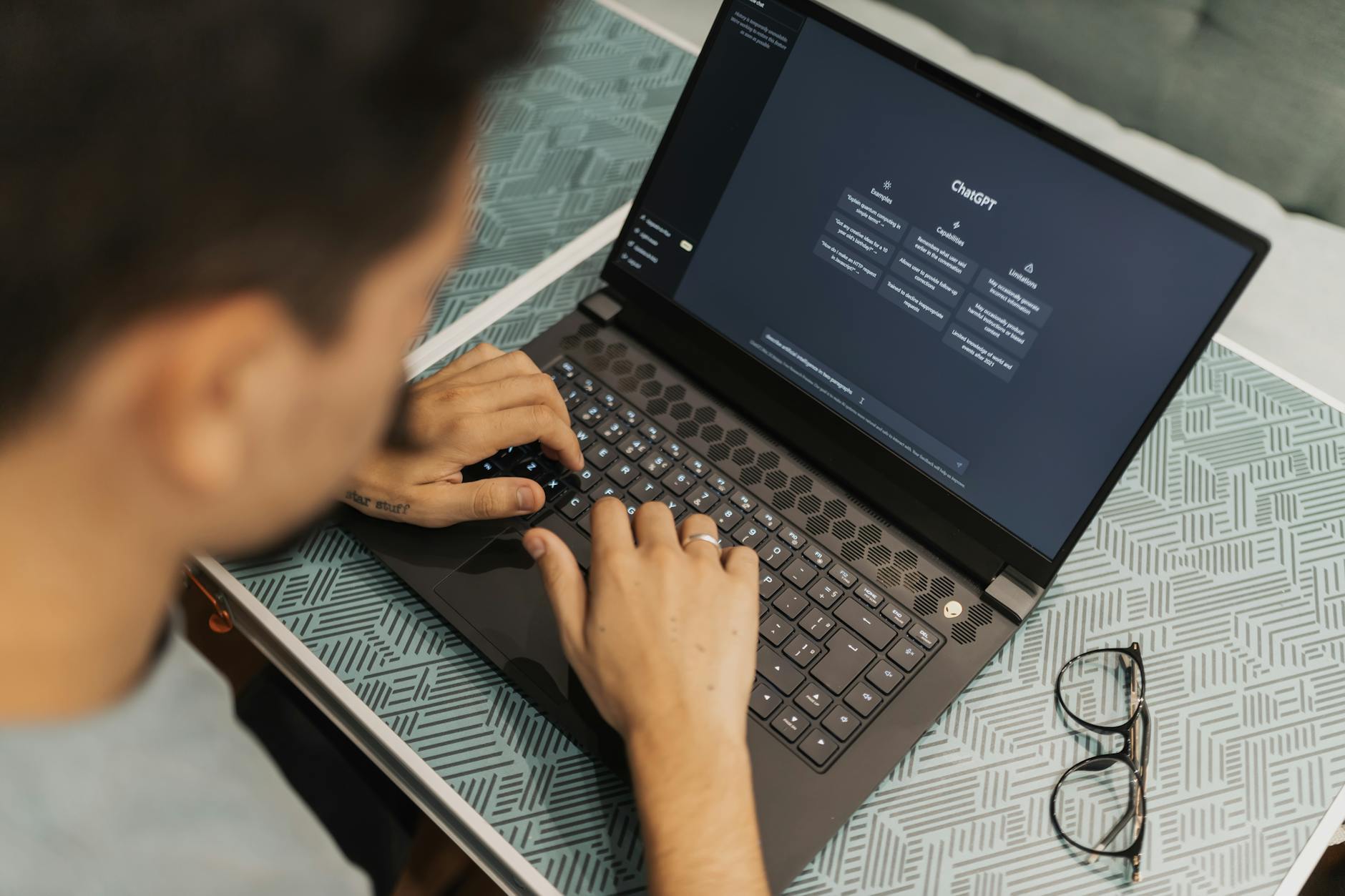
The world of technology is constantly evolving, and one of the most significant changes in recent years is the rise of AI tools. These tools are quietly changing what you need from your computer, making some features less important and others more crucial. From virtual assistants to predictive maintenance, AI is transforming the way we interact with our devices and the tasks we can accomplish with them. As AI continues to advance, it's likely that we'll see even more significant changes in what we need from our computers.
What's Going On
According to a recent article on Techbullion, AI tools are revolutionizing the way we use our computers. With the ability to learn and adapt, these tools can perform tasks that were previously impossible for machines. This has led to a shift in what we need from our computers, with some features becoming less important and others more crucial. For example, with the rise of cloud computing, the need for large amounts of local storage is decreasing. However, the need for fast and reliable internet connections is increasing, as more and more tasks are being performed online.
Another significant change is the rise of virtual assistants. These AI-powered tools can perform tasks such as scheduling appointments, sending emails, and even making phone calls. This has led to a decrease in the need for traditional input devices such as keyboards and mice. Instead, voice commands and gestures are becoming more popular. As AI continues to advance, it's likely that we'll see even more innovative ways to interact with our devices.
The impact of AI on computer hardware is also significant. With the ability to perform complex tasks, AI tools require more powerful processors and larger amounts of memory. This has led to a shift towards more powerful and efficient hardware, such as graphics processing units (GPUs) and tensor processing units (TPUs). As AI continues to advance, it's likely that we'll see even more specialized hardware designed specifically for AI tasks.
Why This Matters
As industry analysts note, the rise of AI tools has significant implications for the tech industry. With the ability to perform complex tasks, AI tools are changing the way we work and interact with our devices. This has led to a shift towards more automated and efficient processes, which can help to increase productivity and reduce costs. However, it also raises concerns about job displacement and the potential for AI to exacerbate existing social inequalities.
The impact of AI on the tech industry is also significant. With the rise of AI tools, there is a growing need for skilled professionals who can develop and implement these tools. This has led to a shift towards more specialized education and training programs, which can help to prepare workers for the changing job market. As AI continues to advance, it's likely that we'll see even more demand for skilled professionals who can work with these tools.
The bigger picture is that AI is transforming the way we live and work. With the ability to perform complex tasks, AI tools are changing the way we interact with our devices and the tasks we can accomplish with them. This has significant implications for a wide range of industries, from healthcare and finance to education and transportation. As AI continues to advance, it's likely that we'll see even more significant changes in the years to come.
What It Means for the Industry
The rise of AI tools has significant implications for the tech industry. With the ability to perform complex tasks, AI tools are changing the way we work and interact with our devices. This has led to a shift towards more automated and efficient processes, which can help to increase productivity and reduce costs. However, it also raises concerns about job displacement and the potential for AI to exacerbate existing social inequalities.
The strategic impact of AI on the tech industry is also significant. With the rise of AI tools, there is a growing need for companies to invest in AI research and development. This has led to a shift towards more collaborative and open approaches to AI development, with companies working together to share knowledge and resources. As AI continues to advance, it's likely that we'll see even more significant changes in the way companies approach AI development and deployment.
The implications of AI for the tech industry are far-reaching. With the ability to perform complex tasks, AI tools are changing the way we interact with our devices and the tasks we can accomplish with them. This has significant implications for a wide range of industries, from healthcare and finance to education and transportation. As AI continues to advance, it's likely that we'll see even more significant changes in the years to come.
What Happens Next
For more information on the latest developments in AI, you can check out the full announcement from SUNeVision. This company is at the forefront of AI development, and their latest updates provide valuable insights into the future of AI. As AI continues to advance, it's likely that we'll see even more significant changes in the years to come.
Another company that is making significant strides in AI is SUNeVision, which has recently passed continuing connected transactions resolutions at their EGM. This company is a leader in the field of AI, and their latest developments provide valuable insights into the future of AI. As AI continues to advance, it's likely that we'll see even more significant changes in the years to come.
In conclusion, the rise of AI tools is quietly changing what we need from our computers. With the ability to perform complex tasks, AI tools are changing the way we interact with our devices and the tasks we can accomplish with them. This has significant implications for a wide range of industries, from healthcare and finance to education and transportation. As AI continues to advance, it's likely that we'll see even more significant changes in the years to come.


