
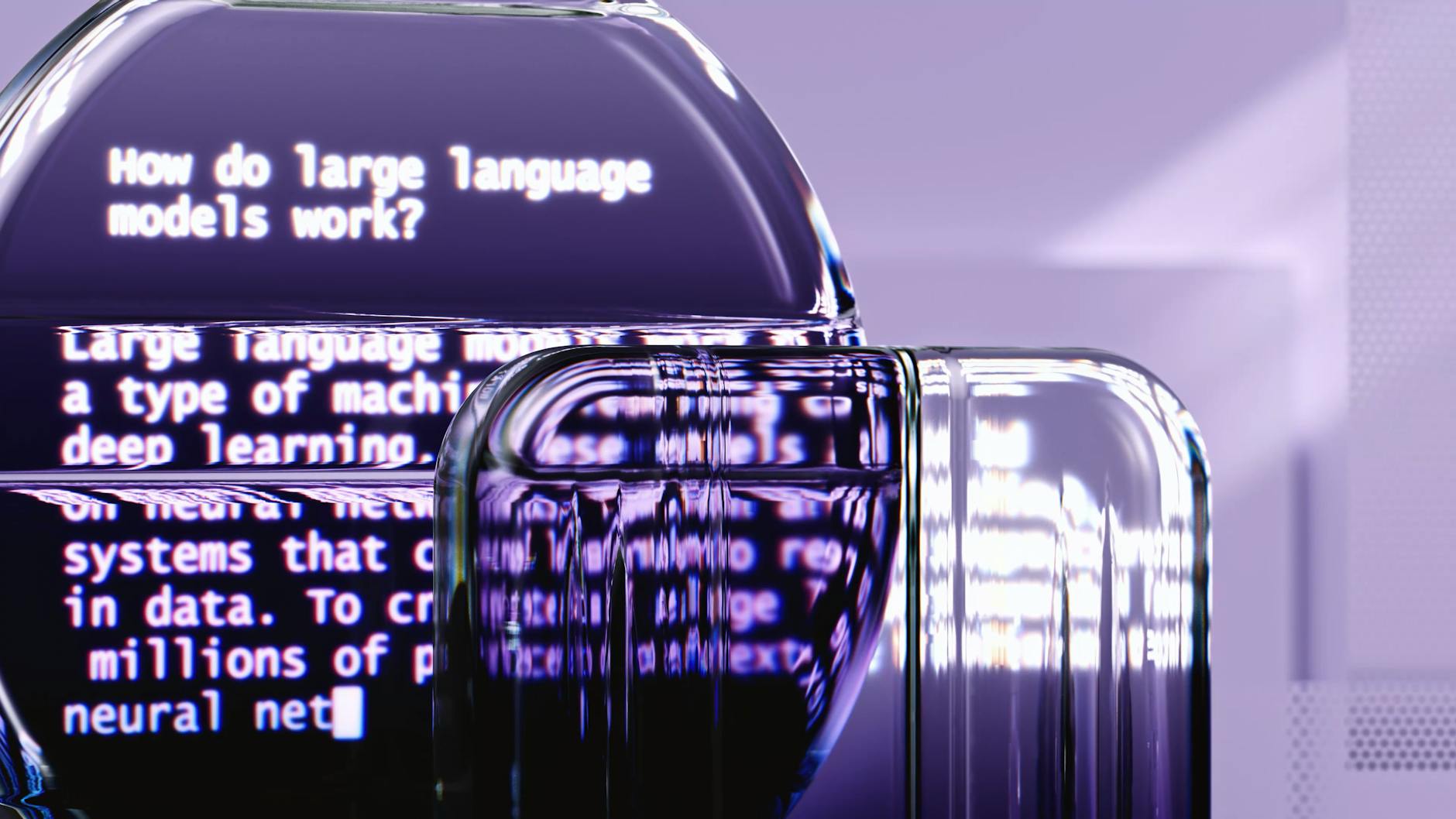
The concept of artificial intelligence (AI) has been around for decades, but recent advancements in multimodal models have enabled AI to experience the world in a way that's remarkably similar to humans. By integrating multiple senses, including sight, sound, touch, taste, and smell, these models are learning to perceive and understand their environment in a more comprehensive manner. This development has significant implications for various industries, from robotics and healthcare to education and entertainment. In this article, we'll delve into the world of multimodal models and explore how they're revolutionizing the field of AI.
What's Going On
According to The Five Senses of AI: How Multimodal Models are Learning to Experience the World, researchers have made significant progress in developing AI models that can learn from multiple sources of data. This includes visual, auditory, and tactile information, which enables the AI to build a more nuanced understanding of its surroundings. For instance, a robot equipped with multimodal capabilities can recognize objects, understand spoken commands, and even respond to touch or gestures. This level of interaction has the potential to transform the way we interact with machines, making them more intuitive and user-friendly.
The development of multimodal models is a complex process that requires significant advances in areas like computer vision, natural language processing, and machine learning. Researchers must design algorithms that can integrate and process multiple sources of data, often with varying levels of quality and reliability. Moreover, the models must be able to learn from this data, adapt to new situations, and generalize their knowledge to unseen environments. The challenges are substantial, but the potential rewards are well worth the effort.
One of the key benefits of multimodal models is their ability to learn from real-world data. By interacting with their environment, these models can acquire knowledge and skills that would be difficult to replicate in a simulated setting. For example, a robot learning to navigate a cluttered room can develop a more robust understanding of spatial relationships and object recognition by experiencing the environment firsthand. This level of realism is essential for developing AI models that can operate effectively in complex, dynamic environments.
Why This Matters
As Amazon’s Conversational Proteus Robot Heads to Europe in 2027 as Part of €10 Billion Fulfillment Overhaul indicates, the impact of multimodal models extends far beyond the realm of academia. Companies like Amazon are investing heavily in AI research, recognizing the potential for these technologies to transform their operations and improve customer experiences. The development of conversational robots, like Proteus, demonstrates the growing demand for AI-powered systems that can interact with humans in a more natural, intuitive way.
The implications of multimodal models are far-reaching, with potential applications in areas like healthcare, education, and entertainment. For instance, AI-powered robots could assist in patient care, providing companionship, support, and even basic medical care. In education, multimodal models could enable more interactive and engaging learning experiences, using a combination of visual, auditory, and tactile stimuli to convey complex concepts. The possibilities are vast, and the potential for innovation is substantial.
However, the development of multimodal models also raises important questions about the future of work and the potential impact on human employment. As AI-powered systems become more advanced, there is a growing concern that they could displace human workers, particularly in industries where tasks are repetitive or can be easily automated. While this is a legitimate concern, it's essential to recognize that AI is not a replacement for human workers but rather a tool that can augment and enhance their capabilities.
What It Means for the Industry
The emergence of multimodal models has significant implications for the tech industry, with potential applications in areas like robotics, computer vision, and natural language processing. As these models become more advanced, we can expect to see a growing demand for AI-powered systems that can interact with humans in a more natural, intuitive way. This will require significant investments in research and development, as well as a growing need for skilled professionals who can design, implement, and maintain these complex systems.
The development of multimodal models also highlights the importance of collaboration and knowledge-sharing within the AI community. Researchers and developers must work together to advance the state-of-the-art, sharing their findings and expertise to drive innovation and progress. This includes collaborating with industry partners, academia, and government agencies to ensure that AI research is aligned with real-world needs and priorities.
Moreover, the growth of multimodal models underscores the need for more diverse and representative datasets. As AI systems become more pervasive, it's essential to ensure that they are fair, transparent, and free from bias. This requires a concerted effort to collect and annotate diverse datasets, as well as develop algorithms that can detect and mitigate bias in AI decision-making.
What Happens Next
For those interested in learning more about the latest developments in AI, Recap of Google’s AI announcements in May 2026 provides a comprehensive overview of the company's recent advancements in the field. From natural language processing to computer vision, Google's AI research is pushing the boundaries of what is possible with multimodal models. As the company continues to innovate and invest in AI research, we can expect to see significant advancements in areas like robotics, healthcare, and education.
Furthermore, the growth of multimodal models is likely to have a profound impact on the digital asset management software market, which is expected to reach USD 12.3 billion by 2033, growing at a CAGR of 12.4%, Digital Asset Management Software in Retail Market to Reach USD reports. As AI-powered systems become more pervasive, the need for effective digital asset management will become increasingly important, driving demand for software solutions that can manage and analyze large datasets.
In conclusion, the emergence of multimodal models marks a significant milestone in the development of AI, enabling machines to experience and interact with the world in a more human-like way. As researchers and developers continue to advance the state-of-the-art, we can expect to see significant innovations in areas like robotics, healthcare, and education. The future of AI is exciting and full of possibilities, and it will be fascinating to see how multimodal models continue to shape and transform the world around us.


