
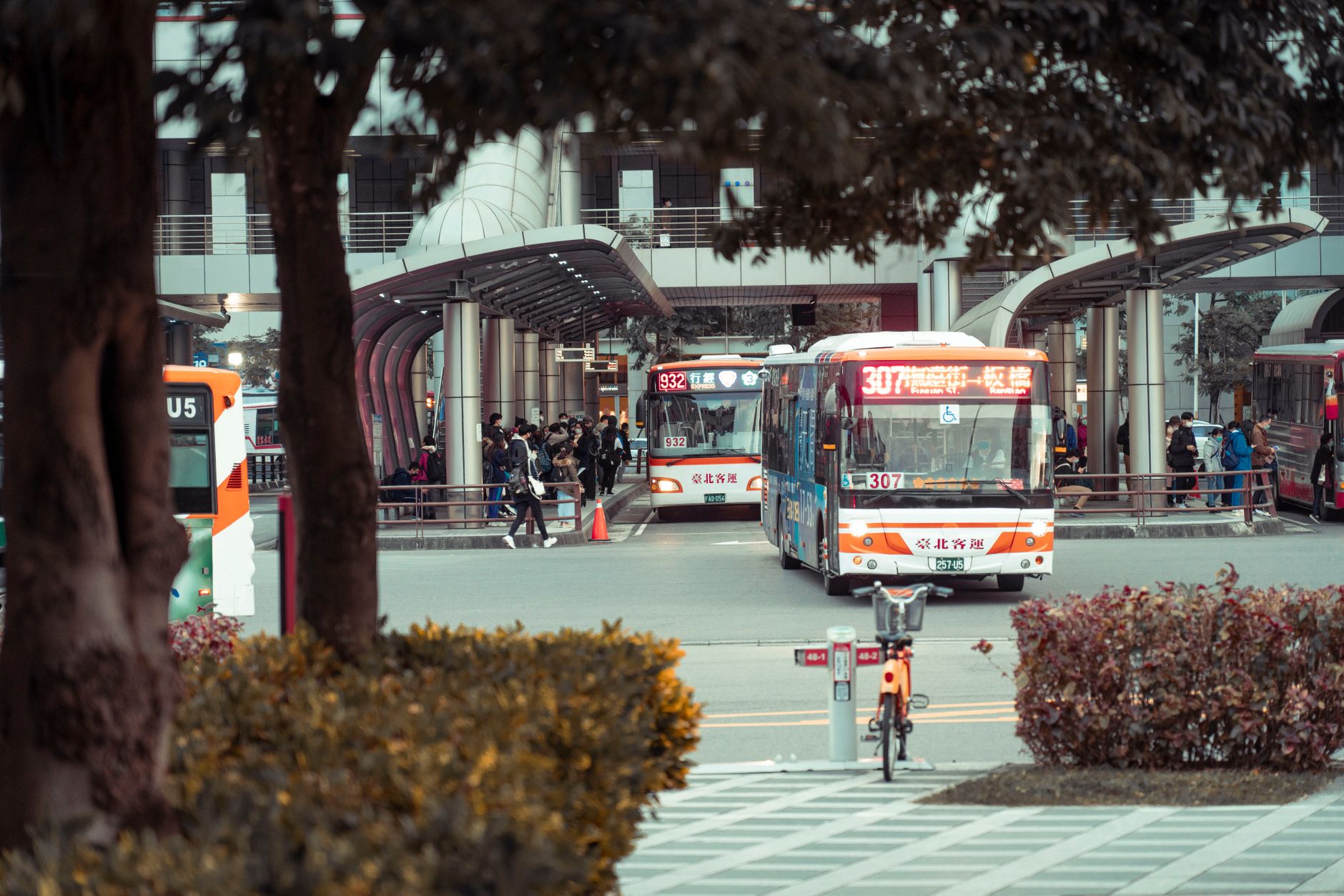
The recent international expo in China has brought together some of the world's most innovative minds to showcase the latest advancements in artificial intelligence (AI) and its applications in the transportation sector. As the world continues to urbanize and the demand for efficient, sustainable transportation solutions grows, the intersection of AI and transportation is becoming increasingly important. From self-driving cars to optimized traffic management systems, AI is transforming the way people move around the world, and the expo has provided a unique platform for innovators to share their ideas and showcase their creations.
What's Going On
According to the Beijing Bulletin, the expo featured a range of AI-powered transportation solutions, including autonomous vehicles, smart traffic management systems, and predictive maintenance tools for public transportation systems. These innovations have the potential to significantly improve the efficiency and safety of transportation systems, reducing congestion and emissions while enhancing the overall passenger experience.
The expo also highlighted the growing importance of data analytics in transportation, with many exhibitors showcasing their use of machine learning algorithms to optimize traffic flow, predict traffic patterns, and improve route planning. This focus on data-driven innovation is a key trend in the transportation sector, as companies seek to leverage the vast amounts of data generated by connected devices and sensors to create more efficient and responsive transportation systems.
One of the key takeaways from the expo was the need for greater collaboration between the public and private sectors to develop and implement AI-powered transportation solutions. As the world continues to urbanize, the demand for efficient, sustainable transportation solutions will only grow, and governments and companies must work together to create the infrastructure and policies needed to support the development and deployment of these technologies.
Why This Matters
Industry analysts note that the adoption of AI in transportation has the potential to significantly improve safety, efficiency, and sustainability, while also enhancing the overall passenger experience. According to Peking Press, the use of AI in transportation can help to reduce accidents by up to 90%, while also reducing congestion and emissions by up to 30%. This makes AI a critical component of any transportation strategy looking to address the challenges of urbanization and climate change.
The impact of AI in transportation is not limited to the transportation sector itself, but also has broader implications for the economy and society as a whole. By improving the efficiency and safety of transportation systems, AI can help to reduce congestion and emissions, while also enhancing the productivity and competitiveness of businesses. This, in turn, can have a positive impact on the overall economy, creating jobs and stimulating economic growth.
However, the adoption of AI in transportation also raises important questions about the future of work and the impact of automation on employment. As AI takes over routine tasks and responsibilities, there is a risk that many jobs in the transportation sector could be displaced, potentially leading to social and economic disruption. Governments and companies must work together to develop policies and programs that support workers who are displaced by automation, while also ensuring that the benefits of AI are shared fairly and equitably.
What It Means for the Industry
The impact of AI on the transportation industry is likely to be significant, with many companies and organizations looking to leverage these technologies to improve their operations and services. According to Shanghai Sun, the use of AI in transportation is expected to create new business models and revenue streams, while also enhancing the competitiveness and sustainability of transportation companies.
The adoption of AI in transportation also raises important questions about the future of urban planning and infrastructure development. As the world continues to urbanize, the demand for efficient, sustainable transportation solutions will only grow, and cities must be designed and built to accommodate these needs. This requires a fundamental shift in the way we think about urban planning and infrastructure development, with a greater focus on data-driven innovation and collaboration between the public and private sectors.
The use of AI in transportation is also driving innovation in areas such as electric vehicles and renewable energy, with many companies and organizations looking to leverage these technologies to reduce their carbon footprint and improve their sustainability. This is a critical trend in the transportation sector, as companies and governments seek to address the challenges of climate change and reduce their reliance on fossil fuels.
What Happens Next
The adoption of AI in transportation is a rapidly evolving trend, with many companies and organizations looking to leverage these technologies to improve their operations and services. According to E27, China is at the forefront of AI adoption in transportation, with many Chinese companies and organizations investing heavily in these technologies. However, other countries are also catching up, with many companies and organizations looking to leverage AI to improve their transportation systems and services.
The future of AI in transportation is likely to be shaped by a range of factors, including the development of new technologies and business models, as well as the increasing demand for efficient, sustainable transportation solutions. As the world continues to urbanize, the need for innovative transportation solutions will only grow, and companies and governments must work together to create the infrastructure and policies needed to support the development and deployment of these technologies.
One of the key challenges facing the adoption of AI in transportation is the need for greater collaboration between the public and private sectors. As the world continues to urbanize, the demand for efficient, sustainable transportation solutions will only grow, and governments and companies must work together to create the infrastructure and policies needed to support the development and deployment of these technologies.
In conclusion, the intersection of AI and transportation is a rapidly evolving trend that has the potential to transform the way people move around the world. From self-driving cars to optimized traffic management systems, AI is changing the transportation sector in profound ways, and companies and governments must work together to create the infrastructure and policies needed to support the development and deployment of these technologies.


