
Breaking Down Barriers
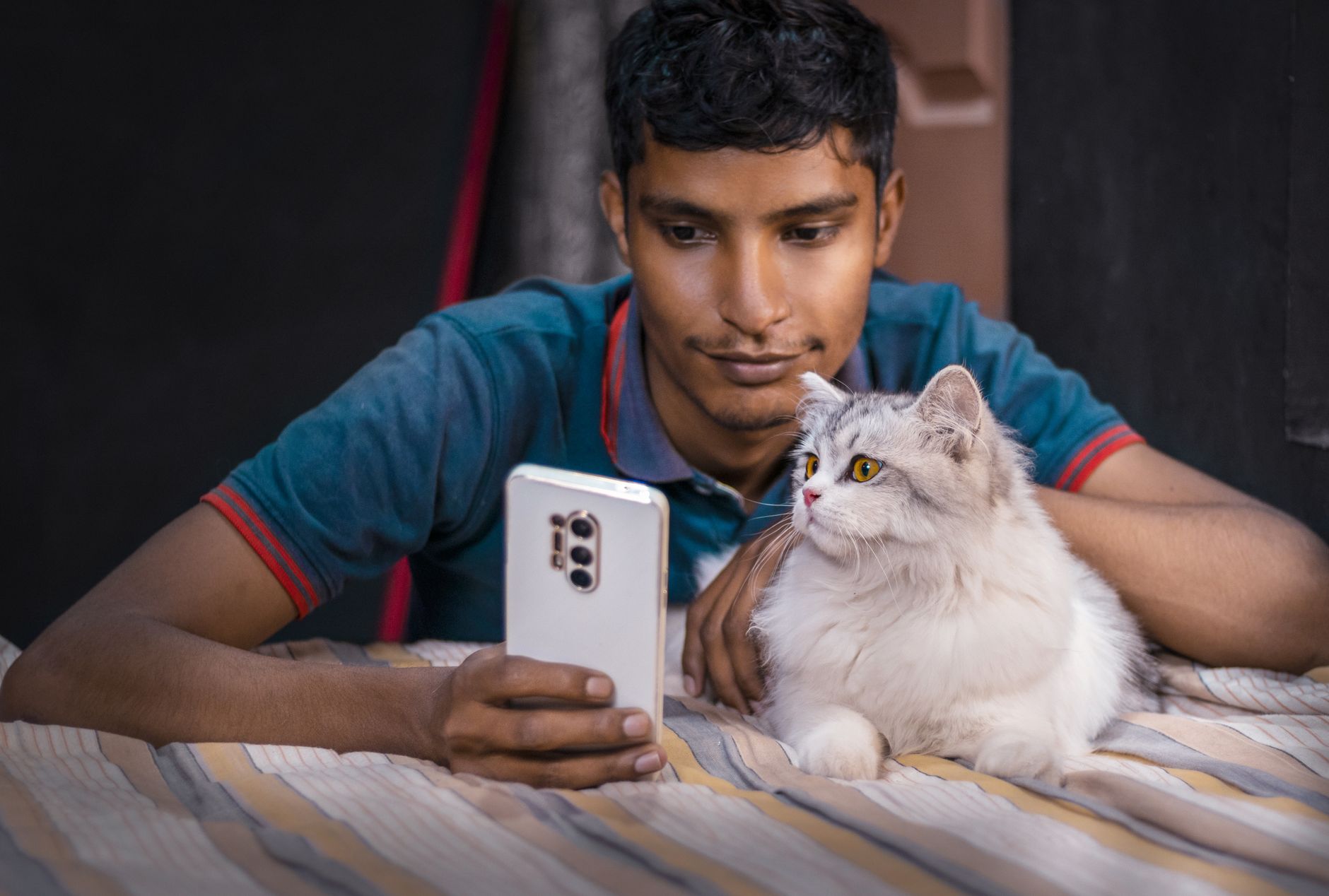
Imagine being able to understand and communicate with animals in their own language, without the need for interpreters or complex technology. While it may sound like science fiction, researchers are making strides in developing AI systems that can facilitate human-animal communication, revolutionizing the way we interact with our furry and feathered friends.
Context
According to The CSR Journal, researchers are using AI to decode animal language, allowing us to better understand their behavior, needs, and emotions. This breakthrough has significant implications for conservation efforts, as it enables us to develop more effective strategies for protecting endangered species and preserving their habitats.
For instance, researchers have used AI to analyze the vocalizations of elephants, identifying distinct patterns and meanings that were previously unknown. This newfound understanding has allowed conservationists to develop more targeted and effective conservation efforts, helping to protect these majestic creatures and their habitats.
As AI continues to advance, we can expect to see even more innovative applications of this technology, from developing more effective animal training programs to creating virtual reality experiences that allow us to interact with animals in a more immersive and engaging way.
Why This Matters
As industry analysts note, the integration of AI into human-animal communication has significant implications for the conservation and research industries. By enabling us to better understand and communicate with animals, AI can help us develop more effective conservation strategies, improve animal welfare, and advance our knowledge of animal behavior and cognition.
The impact of AI-facilitated human-animal communication extends beyond the conservation and research industries, however. As we continue to develop and refine this technology, we can expect to see significant benefits for the environment, human health, and the economy.
For example, AI-powered conservation efforts can help protect endangered species and preserve their habitats, reducing the risk of extinction and promoting biodiversity. Additionally, AI-facilitated human-animal communication can help improve animal welfare, reducing stress and improving the quality of life for animals in captivity.
What It Means for the Industry
The integration of AI into human-animal communication has significant implications for the conservation and research industries, as well as the environment, human health, and the economy. As this technology continues to advance, we can expect to see significant benefits for animal welfare, conservation, and research.
However, the development and implementation of AI-facilitated human-animal communication also raises important questions about ethics and responsibility. As we continue to develop and refine this technology, it is essential that we prioritize animal welfare, transparency, and accountability.
Ultimately, the integration of AI into human-animal communication has the potential to revolutionize the way we interact with animals, promoting a more empathetic and responsible relationship between humans and animals.
What's Next
As the full announcement from Argonne National Laboratory reveals, researchers are working to develop more sophisticated AI systems that can facilitate human-animal communication, with a focus on developing more effective animal training programs and creating virtual reality experiences that allow us to interact with animals in a more immersive and engaging way.
As AI continues to advance, we can expect to see even more innovative applications of this technology, from developing more effective conservation strategies to creating virtual reality experiences that allow us to interact with animals in a more immersive and engaging way.
Ultimately, the future of human-animal communication is bright, and the potential benefits of AI-facilitated communication are vast. As we continue to develop and refine this technology, it is essential that we prioritize animal welfare, transparency, and accountability, ensuring that our interactions with animals are always respectful, responsible, and beneficial to both humans and animals.
Party Chief Calls for Building National Capacity for Innovation and Adaptation
As Party Chief calls for building national capacity for innovation and adaptation, the development of AI-facilitated human-animal communication requires a national effort to build capacity for innovation and adaptation. By investing in education, research, and development, we can ensure that the next generation of conservationists, researchers, and industry professionals have the skills and knowledge they need to integrate AI into human-animal communication and drive positive change.
This national effort will require collaboration and coordination across government, industry, and academia, as well as a commitment to transparency, accountability, and animal welfare. By working together, we can ensure that AI-facilitated human-animal communication is developed and implemented in a responsible and beneficial way, promoting a more empathetic and responsible relationship between humans and animals.
Conclusion
The integration of AI into human-animal communication has significant implications for the conservation and research industries, as well as the environment, human health, and the economy. As AI continues to advance, we can expect to see significant benefits for animal welfare, conservation, and research.
However, the development and implementation of AI-facilitated human-animal communication also raises important questions about ethics and responsibility. As we continue to develop and refine this technology, it is essential that we prioritize animal welfare, transparency, and accountability.
Ultimately, the future of human-animal communication is bright, and the potential benefits of AI-facilitated communication are vast. As we continue to develop and refine this technology, it is essential that we prioritize animal welfare, transparency, and accountability, ensuring that our interactions with animals are always respectful, responsible, and beneficial to both humans and animals.


