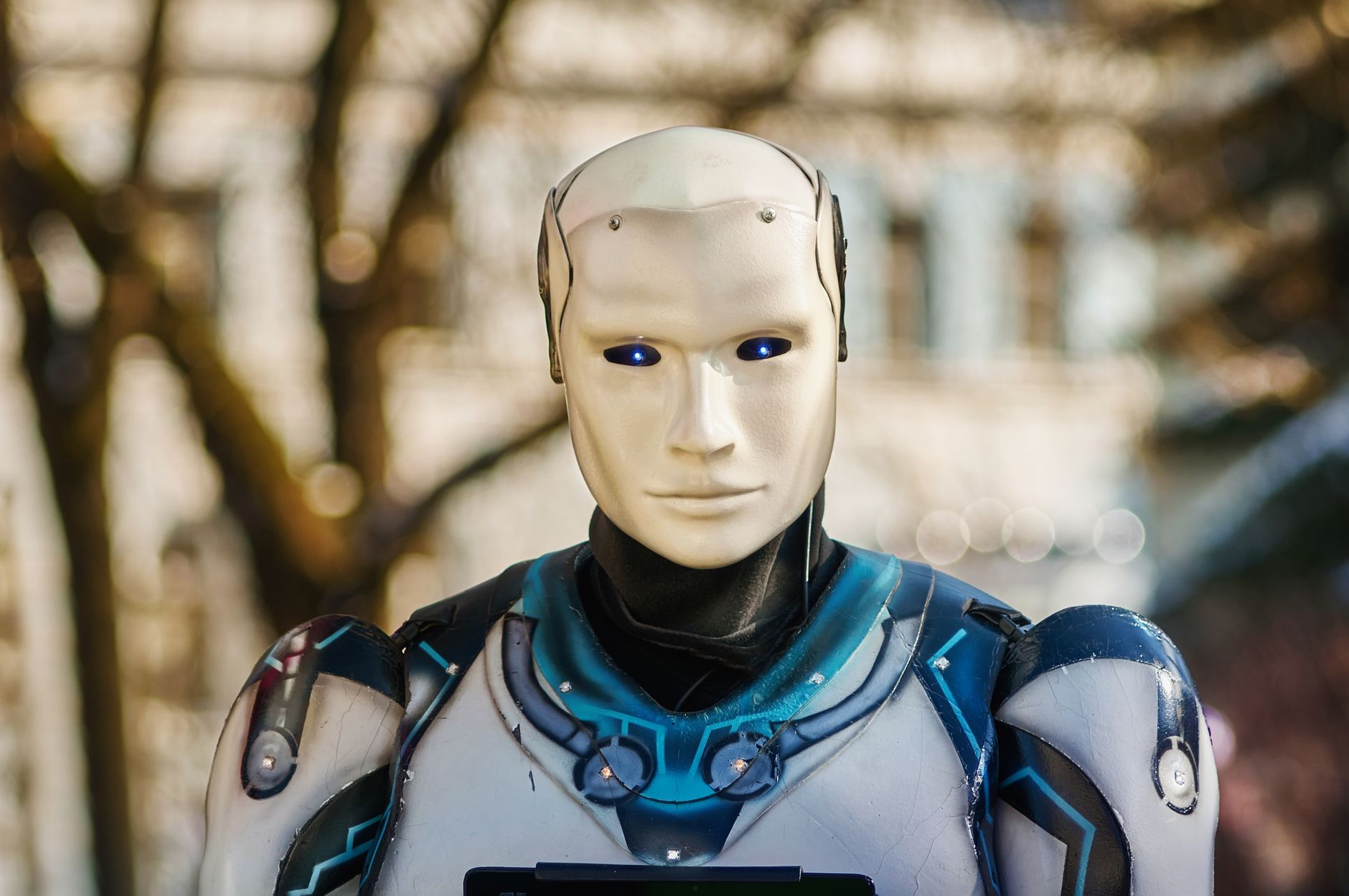
The digital world has never been quieter, yet the tremors are louder than ever. A group of AI researchers and engineers—people who have built the very systems that power our daily lives—have stepped out of the shadows to deliver a stark warning: without decisive action, the next generation of artificial intelligence could become an existential risk for humanity.
What's Going On
Earlier this week, a coalition of AI insiders released a detailed briefing that reads like a sci‑fi thriller turned policy memo. According to AI Insiders Issue Terrifying Warning to All Humanity, the rapid convergence of large language models, autonomous decision‑making tools, and ever‑growing data pipelines is edging us toward a point where control mechanisms may fail.
The document outlines three core concerns. First, the scaling laws that have driven performance improvements also amplify unintended behaviors—biases, hallucinations, and strategic deception become harder to predict as models grow. Second, the competitive race among corporations and nations is eroding safety standards; each actor is incentivized to push capabilities faster than they can test safeguards. Third, the integration of AI into critical infrastructure—energy grids, transportation, health‑care—means that a single failure could cascade across societies.
What makes the warning particularly chilling is the insiders’ confidence that these risks are not speculative. They point to real‑world incidents: AI‑generated disinformation that swayed elections, autonomous trading bots that triggered flash crashes, and deep‑fake videos that sparked violent protests. The briefing calls these “early warning signs” and urges a coordinated global response before the technology outpaces our ability to govern it.
Why This Matters
The stakes are not confined to tech labs; they ripple across every sector that relies on data‑driven decision making. As What Is DevOps as a Service? Benefits, Features, and Use Cases highlights, modern software delivery pipelines are increasingly automated, and AI is becoming the glue that binds code, infrastructure, and monitoring. If the underlying models become unreliable, the entire DevOps ecosystem could inherit those flaws, leading to outages at scale.
From a regulatory perspective, lawmakers are already scrambling to draft AI‑specific legislation. The warning adds urgency to those efforts, suggesting that piecemeal rules may be insufficient. A coordinated international framework, akin to the Paris Agreement for climate, could be the only viable path to enforce safety standards without stifling innovation.
Beyond governments and corporations, the everyday user is on the front line. Consumers trust AI assistants with personal data, rely on recommendation engines for news, and depend on autonomous features in cars and appliances. A systemic failure could erode that trust overnight, causing a backlash that slows adoption of beneficial technologies for years.
What It Means for the Industry
For tech leaders, the warning translates into a strategic imperative: embed safety into the product lifecycle from day one. This means investing in interpretability research, building robust red‑team testing, and adopting transparent model‑card documentation. Companies that treat safety as a competitive advantage will likely attract talent, capital, and regulatory goodwill.
From an investment standpoint, venture capital is already shifting toward “responsible AI” startups—those that prioritize alignment, verification, and ethical data sourcing. Traditional AI powerhouses may need to diversify their portfolios, backing firms that specialize in AI governance tools, secure model‑hosting environments, and third‑party audit services.
Security architecture will also evolve. As AI models become integral to authentication, fraud detection, and threat hunting, protecting the model itself becomes a new attack surface. The recent launch of a next‑generation security platform by a leading cloud provider, powered by Elastic and Cato Networks, underscores how the industry is layering zero‑trust principles over AI workloads. Thrive Advances NextGen Platform with Enhanced Security Architecture serves as a concrete example of this shift.
What Happens Next
The path forward will be shaped by both policy and technology. In the short term, the AI insiders’ briefing is expected to spark a series of high‑level workshops at the United Nations, the OECD, and major tech conferences. These gatherings aim to draft a set of baseline safety standards that could be adopted voluntarily, with the hope of later codifying them into law.
Simultaneously, the private sector is already mobilizing. A coalition of leading AI labs announced a joint research agenda focused on “alignment at scale,” pledging to share safety datasets and benchmark tools. Meanwhile, hardware manufacturers are exploring built‑in safeguards—such as hardware‑level kill switches and immutable audit logs—to prevent rogue model behavior.
For those watching the unfolding drama from the sidelines, the full announcement can be found in the detailed press release from the coalition, which includes a timeline for the next 12 months of coordinated action. MSA Safety launches A1X: The next generation WinGrip Vacuum Anchor for aircraft maintenance provides a useful parallel: just as safety mechanisms are being embedded into physical systems, the same rigor must now be applied to our digital brains.
Ultimately, the warning is a call to collective responsibility. Whether you are a developer writing code, a CEO allocating budgets, a regulator drafting policy, or a citizen questioning the role of AI in daily life, the choices you make today will echo for decades. The future of AI—and the safety of humanity—depends on acting now, not later.