
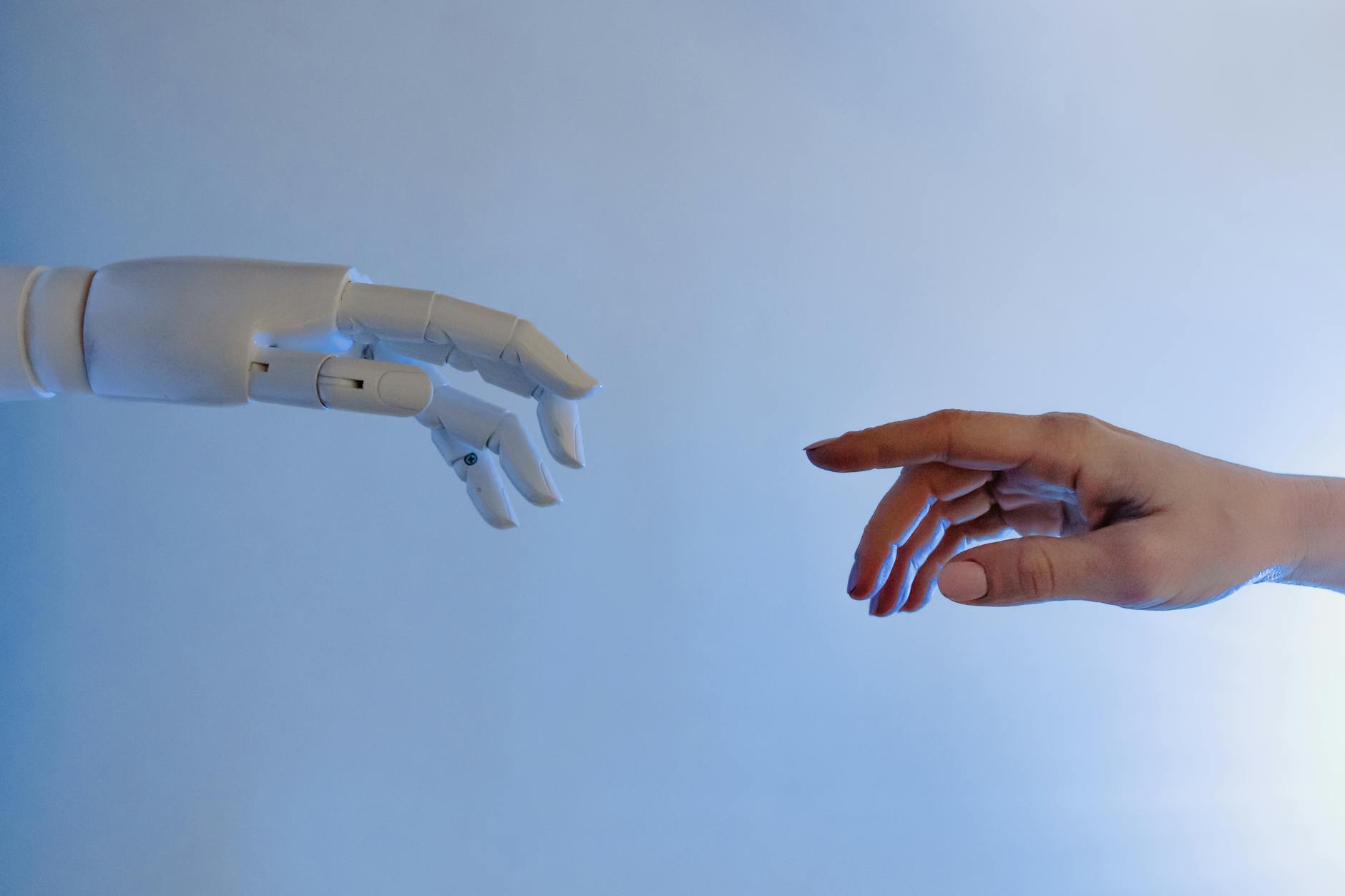
Artificial intelligence (AI) has been a topic of discussion for decades, but its recent advancements have raised questions about its potential impact on humanity. As AI continues to transform industries and revolutionize the way we live and work, it's essential to consider whether it will lead to evolution or extinction. In this article, we'll delve into the world of AI, its current state, and the potential consequences of its development. To better understand the future of AI, read more here about the latest trends and predictions.
What's Going On
The AI landscape is rapidly changing, with new technologies and innovations emerging every day. From chatbots and virtual assistants to self-driving cars and robots, AI is becoming an integral part of our daily lives. However, this rapid growth has also raised concerns about the potential risks and consequences of AI development. As we continue to push the boundaries of what is possible with AI, it's essential to consider the potential impact on jobs, economies, and societies as a whole.
One of the primary concerns surrounding AI is its potential to replace human workers. As machines become more advanced and capable of performing complex tasks, there is a risk that many jobs will become obsolete. This could lead to significant social and economic disruption, particularly in industries where AI is most prevalent. On the other hand, AI also has the potential to create new job opportunities and industries that we cannot yet imagine.
Another area of concern is the potential for AI to be used for malicious purposes. As AI becomes more advanced, it's possible that it could be used to develop more sophisticated cyber attacks, autonomous weapons, and other forms of malicious technology. This highlights the need for careful consideration and regulation of AI development to ensure that it is used for the greater good.
Why This Matters
The development of AI has significant implications for a wide range of industries, from healthcare and finance to transportation and education. As industry analysts note, the aerospace and defense sectors are among the most likely to be impacted by AI, with potential applications in areas such as surveillance, navigation, and logistics. However, the impact of AI will not be limited to these industries, and it's likely that every sector will be affected in some way.
The bigger picture is that AI has the potential to transform the way we live and work, and its impact will be felt across the globe. As AI becomes more prevalent, it's likely that we will see significant changes in the way businesses operate, the way governments function, and the way individuals interact with each other. This could lead to a more efficient and productive society, but it also raises important questions about the potential risks and consequences of AI development.
Those who are most likely to be affected by the development of AI are workers in industries that are most susceptible to automation. As machines become more advanced and capable of performing complex tasks, there is a risk that many jobs will become obsolete. This could lead to significant social and economic disruption, particularly in communities where these industries are most prevalent. However, it's also possible that AI could create new job opportunities and industries that we cannot yet imagine.
What It Means for the Industry
The development of AI has significant implications for businesses and organizations across a wide range of industries. As AI becomes more prevalent, it's likely that we will see significant changes in the way companies operate, from the way they market and sell their products to the way they interact with their customers. This could lead to a more efficient and productive business environment, but it also raises important questions about the potential risks and consequences of AI development.
One of the primary implications of AI development is the potential for increased efficiency and productivity. As machines become more advanced and capable of performing complex tasks, it's possible that businesses will be able to operate more efficiently and effectively. This could lead to cost savings, improved customer service, and a more competitive business environment. However, it's also possible that AI could lead to significant job losses, particularly in industries where automation is most prevalent.
The strategic impact of AI development will depend on the ability of businesses and organizations to adapt to the changing landscape. As AI becomes more prevalent, it's likely that companies will need to invest in new technologies and training programs to ensure that their workers have the skills they need to succeed. This could lead to a more competitive business environment, but it also raises important questions about the potential risks and consequences of AI development.
What Happens Next
As AI continues to evolve and improve, it's likely that we will see significant advancements in areas such as natural language processing, computer vision, and machine learning. To learn more about the latest developments in AI, you can check out the full announcement from leading industry experts. This could lead to a wide range of new applications and innovations, from more sophisticated chatbots and virtual assistants to more advanced self-driving cars and robots.
However, as AI continues to advance, it's also important to consider the potential risks and consequences of its development. As we push the boundaries of what is possible with AI, it's essential to ensure that we are using this technology in a responsible and ethical manner. This will require careful consideration and regulation of AI development, as well as ongoing investment in education and training programs to ensure that workers have the skills they need to succeed.
Finally, it's worth noting that the development of AI is not just an issue for businesses and organizations, but also for governments and individuals. As AI becomes more prevalent, it's likely that we will see significant changes in the way we live and work, and it's essential that we are prepared for these changes. To learn more about the efforts of organizations such as PanIIT to promote the development of AI and other emerging technologies, you can check out their official statement. By working together, we can ensure that AI is developed and used in a way that benefits everyone, and that we are able to harness its potential to create a better future for all.


