
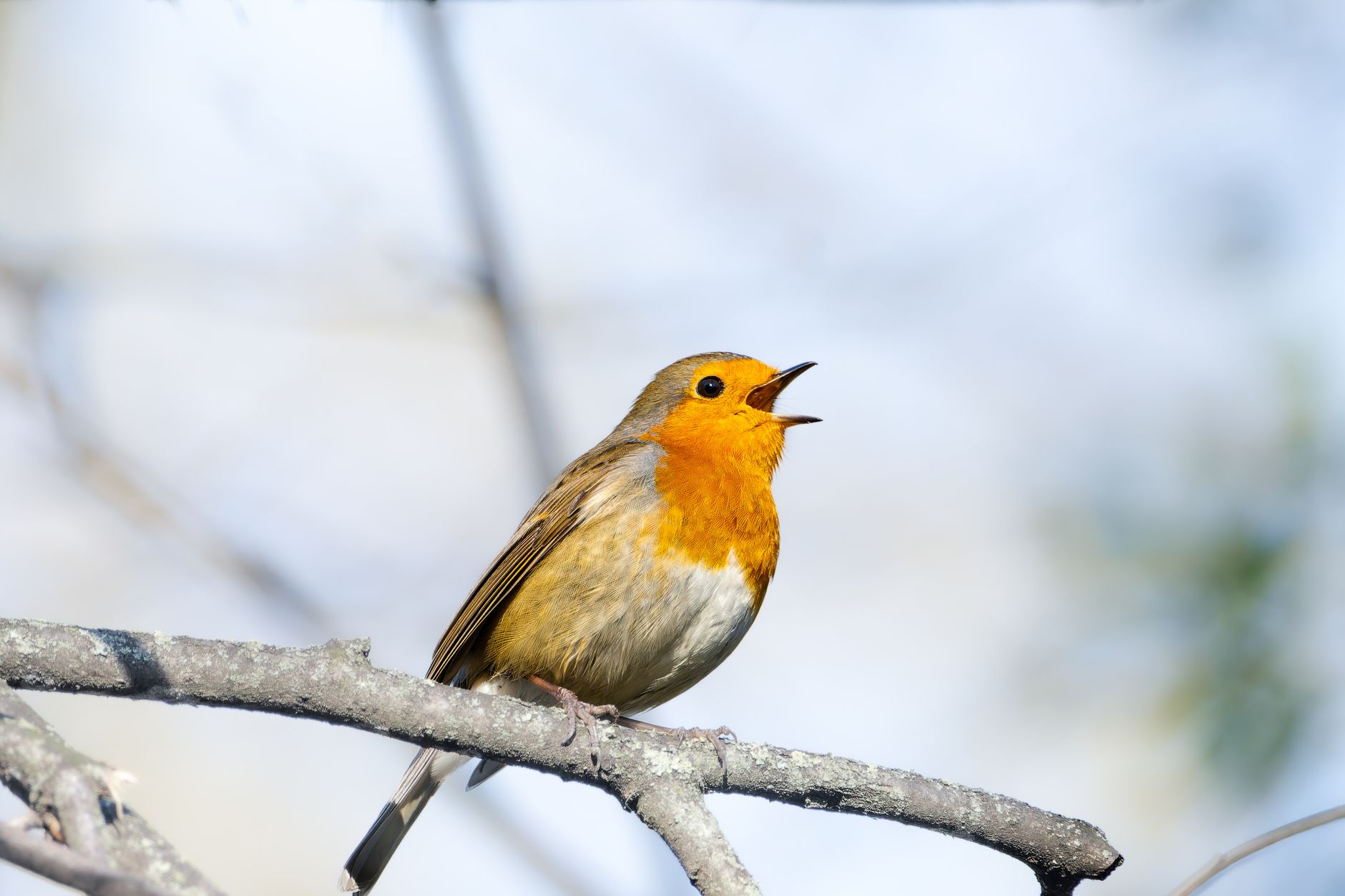
Imagine being able to have a conversation with your pet or understanding the complex language of birds. While it may seem like science fiction, recent advancements in artificial intelligence (AI) are bringing us closer to making this a reality. Scientists are using AI to decode birdsong, and the implications are profound. By unraveling the mysteries of birdsong, researchers hope to gain a deeper understanding of animal communication and potentially even enable human-animal conversations. In this article, we'll delve into the fascinating world of birdsong and explore how AI is helping scientists crack the code.
What's Going On
According to a recent report by Gulf News, AI is being used to analyze and interpret the complex songs of birds. By using machine learning algorithms to identify patterns and structures within the songs, scientists can begin to understand the meaning and context behind the birds' vocalizations. This breakthrough has significant implications for our understanding of animal communication and behavior.
The use of AI in decoding birdsong is a relatively new development, but it has already shown tremendous promise. Researchers have been able to identify specific songs and even individual birds, opening up new avenues for study and research. As the technology continues to evolve, we can expect to see even more exciting discoveries and advancements in the field of animal communication.
One of the key challenges in decoding birdsong is the sheer complexity and variability of the songs themselves. Different species of birds have unique vocalizations, and even within a single species, there can be significant variations in song structure and melody. AI is particularly well-suited to tackling this challenge, as it can quickly process and analyze large datasets to identify patterns and trends that may be difficult or impossible for human researchers to detect.
Why This Matters
As industry analysts note, the development of AI-powered animal communication systems has the potential to revolutionize our understanding of the natural world. By enabling humans to communicate with animals in a more effective and nuanced way, we may be able to gain a deeper appreciation for the complex social behaviors and relationships that exist within animal communities. This, in turn, could lead to new insights and discoveries in fields such as ecology, conservation, and wildlife management.
The implications of AI-powered animal communication extend far beyond the scientific community, however. As we develop a greater understanding of animal language and behavior, we may also begin to see significant advances in fields such as animal training, veterinary medicine, and even pet care. By being able to communicate more effectively with animals, we may be able to build stronger, more meaningful relationships with them, and improve their overall welfare and well-being.
Furthermore, the development of AI-powered animal communication systems also raises important questions about the ethics and responsibilities of human-animal interactions. As we gain a greater understanding of animal language and behavior, we may also need to re-examine our assumptions and attitudes towards animals and the natural world. This could lead to a more nuanced and compassionate approach to animal welfare, conservation, and environmental sustainability.
What It Means for the Industry
The development of AI-powered animal communication systems is likely to have significant implications for a wide range of industries, from wildlife conservation and management to animal training and pet care. As the technology continues to evolve, we can expect to see new products, services, and applications emerge that take advantage of the latest advances in AI and animal communication. This could include everything from smart animal feeders and toys to advanced wildlife monitoring and tracking systems.
One of the key drivers of innovation in this field is the growing recognition of the importance of animal welfare and conservation. As consumers become increasingly aware of the impact of human activities on the environment and animal populations, there is a growing demand for products and services that prioritize animal well-being and sustainability. AI-powered animal communication systems are likely to play a key role in meeting this demand, by enabling humans to build stronger, more meaningful relationships with animals and improve their overall welfare and well-being.
At the same time, the development of AI-powered animal communication systems also raises important questions about the potential risks and challenges of this technology. As we develop more advanced systems for communicating with animals, we may also need to consider the potential consequences of miscommunication or misinterpretation. This could include everything from unintended behavioral changes in animals to potential safety risks for humans.
What Happens Next
For those interested in learning more about the latest developments in AI-powered animal communication, the full announcement from the University of Utah provides a detailed overview of the current state of the field and the potential applications of this technology. As researchers continue to push the boundaries of what is possible with AI and animal communication, we can expect to see significant advances in our understanding of animal language and behavior.
In addition to the scientific community, there are also a number of other stakeholders who are likely to be impacted by the development of AI-powered animal communication systems. This could include animal trainers, conservationists, and wildlife managers, as well as pet owners and animal enthusiasts. As the technology continues to evolve, it will be important to consider the potential implications and consequences of AI-powered animal communication, and to ensure that this technology is developed and used in a responsible and sustainable way.
Finally, it's worth noting that the development of AI-powered animal communication systems is just one part of a broader trend towards greater use of technology and innovation in animal care and conservation. As we look to the future, it will be exciting to see how these technologies continue to evolve and intersect, and what new possibilities and opportunities emerge as a result. For example, Quang Ngai makes strides in digital transformation, which could potentially lead to more effective conservation efforts and better animal care.


