
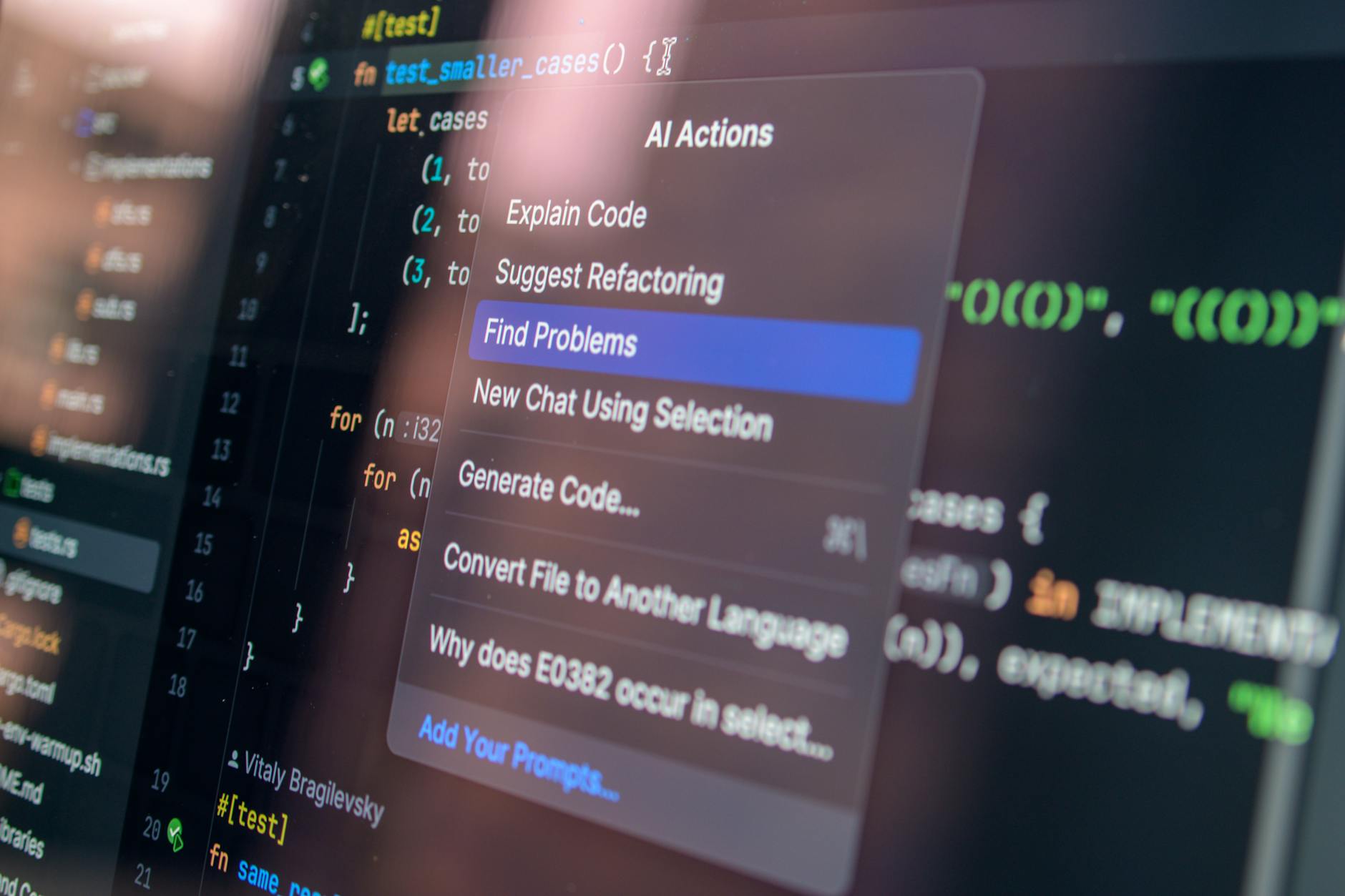
The world of AI coding agents is undergoing a significant transformation. For a long time, these systems relied on user prompts to generate code, but now, they are evolving to become more autonomous and goal-driven. This shift has significant implications for the future of coding and technology, and it's essential to understand what's happening and why it matters.
What's Going On
According to Analytics Insight, AI coding agents are being designed to focus on achieving specific goals rather than just responding to user prompts. This means that they can now take a more proactive approach to coding, generating code that is more efficient, effective, and innovative.
One of the key drivers of this shift is the increasing complexity of coding tasks. As code bases grow larger and more complex, it becomes more challenging for developers to write efficient and effective code. AI coding agents can help alleviate this burden by generating code that is tailored to specific goals and requirements.
Another factor contributing to this evolution is the growing importance of machine learning and natural language processing. As these technologies improve, AI coding agents can now understand and respond to more nuanced and complex user prompts, enabling them to generate code that is more accurate and relevant.
Why This Matters
The shift from prompt-driven to goal-driven AI coding agents has significant implications for the tech industry, as noted by industry analysts. With AI coding agents becoming more autonomous and goal-driven, developers can focus on higher-level tasks, such as designing and testing code, rather than spending hours writing and debugging code.
This, in turn, can lead to faster development times, improved code quality, and reduced costs. Additionally, AI coding agents can help bridge the gap between developers and non-technical stakeholders by generating code that is more accessible and understandable.
As AI coding agents become more prevalent, we can expect to see a significant impact on the way we develop and interact with code. This shift will not only change the way we write code but also the way we think about coding and the role of developers in the tech industry.
What It Means for the Industry
The implications of this shift are far-reaching and multifaceted. On one hand, AI coding agents can help automate repetitive and mundane tasks, freeing up developers to focus on more creative and challenging projects. On the other hand, this shift raises concerns about job displacement and the potential for AI systems to take over traditional coding tasks.
However, it's essential to remember that AI coding agents are designed to augment human capabilities, not replace them. By working together with AI systems, developers can focus on higher-level tasks, such as designing and testing code, while AI agents handle the more mundane and repetitive tasks.
Ultimately, the future of coding and technology will be shaped by the way we choose to interact with AI coding agents. As we move towards a more goal-driven approach, we must consider the implications of this shift and how it will impact the tech industry and the roles of developers within it.
What Happens Next
The full announcement from Facility Management Software Market highlights the growing importance of AI and machine learning in the tech industry. As AI coding agents continue to evolve and become more autonomous, we can expect to see significant changes in the way we develop and interact with code.
One of the key areas of focus will be on ensuring that AI coding agents are transparent, explainable, and accountable. This will involve developing new tools and techniques for understanding and interpreting the decisions made by AI systems, as well as ensuring that these systems are fair, unbiased, and free from errors.
Ultimately, the future of coding and technology will be shaped by the way we choose to interact with AI coding agents. As we move towards a more goal-driven approach, we must consider the implications of this shift and how it will impact the tech industry and the roles of developers within it.
Conclusion
The shift from prompt-driven to goal-driven AI coding agents is a significant development in the world of tech. As AI coding agents become more autonomous and goal-driven, we can expect to see significant changes in the way we develop and interact with code. While there are challenges associated with this shift, there are also opportunities for innovation and growth.
As the tech industry continues to evolve, it's essential to stay ahead of the curve and understand the implications of this shift. By embracing AI coding agents and working together with these systems, we can create a brighter future for coding and technology.
The future of coding and technology will be shaped by the way we choose to interact with AI coding agents. As we move towards a more goal-driven approach, we must consider the implications of this shift and how it will impact the tech industry and the roles of developers within it.
What's Next for Google
The Googlebook reveal has sparked excitement and curiosity among tech enthusiasts, as noted by PCMag. As Google continues to innovate and push the boundaries of what's possible with AI and machine learning, we can expect to see significant advancements in the field of AI coding agents.
One of the key areas of focus will be on developing more advanced and sophisticated AI systems that can understand and respond to complex user prompts. This will involve leveraging the latest advances in natural language processing and machine learning to create AI agents that are more intuitive, flexible, and adaptable.
Ultimately, the future of coding and technology will be shaped by the way we choose to interact with AI coding agents. As we move towards a more goal-driven approach, we must consider the implications of this shift and how it will impact the tech industry and the roles of developers within it.


