
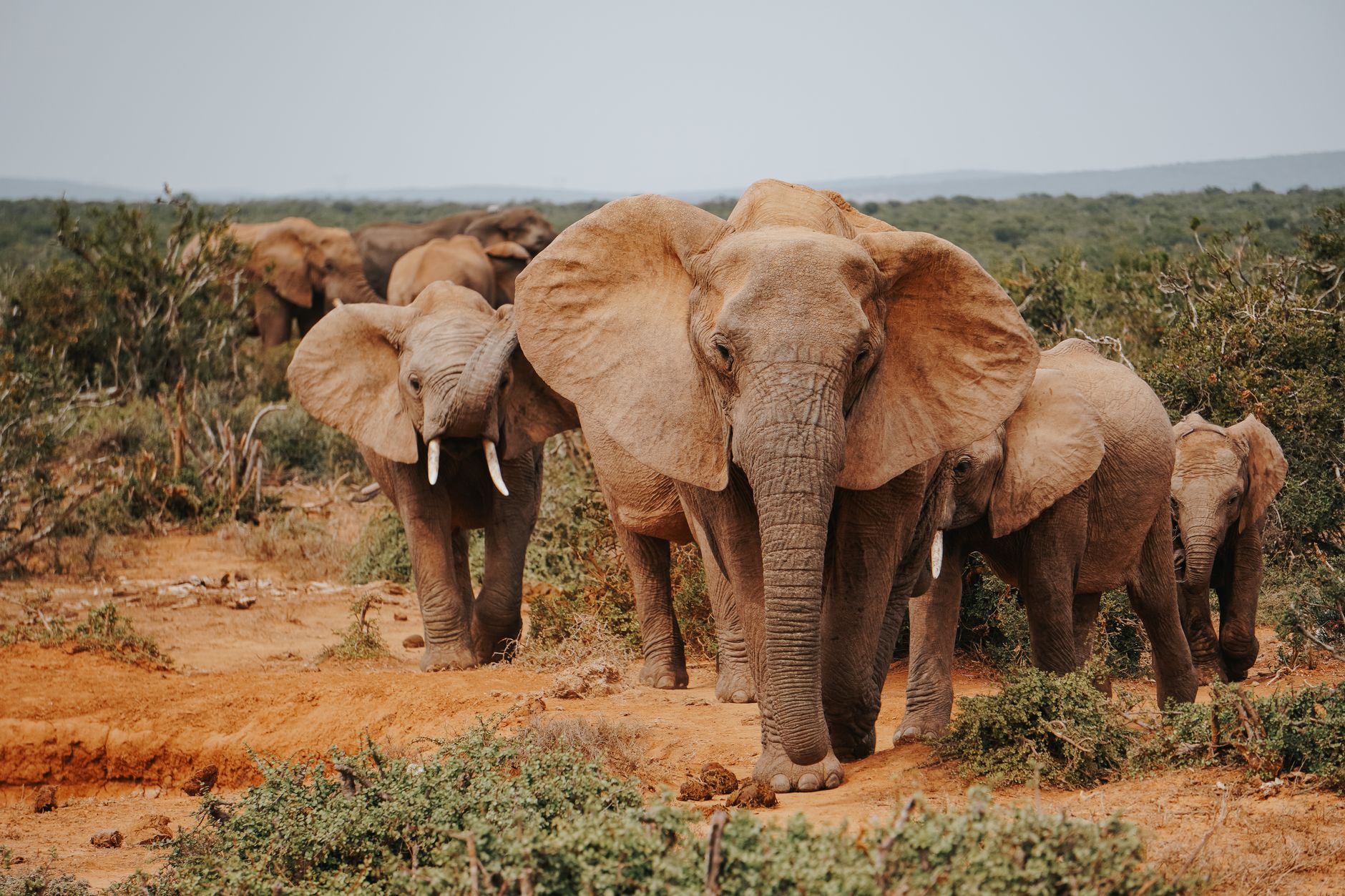
The ability to understand and communicate with animals has long been a topic of fascination for humans. With the rapid advancement of artificial intelligence, this concept is becoming a reality. The AI translating animal language market is booming worldwide, with major giants like Earth Species Project and Interspecies Internet Foundation at the forefront. This technology has the potential to revolutionize the way we interact with animals, from conservation efforts to pet ownership. As AI Translating Animal Language Market Is becoming more prevalent, we can expect to see significant advancements in this field.
What's Going On
The development of AI-powered animal translation technology is a complex process that involves machine learning algorithms and large datasets of animal sounds and behaviors. Researchers are working to create systems that can accurately identify and interpret the vocalizations and body language of various species, from dogs and cats to whales and birds. This technology has the potential to be used in a variety of applications, including animal conservation, wildlife management, and even pet care. For example, a device that can translate the sounds of a dog could help owners better understand their pet's needs and emotions.
One of the key challenges in developing AI-powered animal translation technology is the vast diversity of animal languages. Each species has its own unique vocalizations and communication methods, making it difficult to create a single system that can understand and interpret them all. However, researchers are making progress in this area, and several companies are already working on commercial applications of this technology.
The use of AI in animal translation is not limited to vocalizations. Researchers are also working on systems that can interpret animal body language and behavior. This could include systems that can detect stress or anxiety in animals, or even predict aggressive behavior. These systems could be used in a variety of settings, from zoos and animal shelters to farms and wildlife reserves.
Why This Matters
The development of AI-powered animal translation technology has significant implications for a variety of industries, from conservation and wildlife management to pet care and agriculture. As The Five Senses of AI: How Multimodal Models are Learning to Experience the World notes, the use of multimodal models that can interpret multiple forms of input, including sound, vision, and touch, is becoming increasingly important in the development of AI systems. This technology has the potential to revolutionize the way we interact with animals, and could even help us to better understand and appreciate the natural world.
The impact of AI-powered animal translation technology on the pet care industry could be significant. For example, a device that can translate the sounds of a dog could help owners to better understand their pet's needs and emotions, leading to improved care and a stronger bond between owner and pet. Similarly, a system that can detect stress or anxiety in animals could help farmers and animal caretakers to identify and address potential health issues before they become serious problems.
The use of AI in animal translation also has significant implications for conservation efforts. By providing a means of communicating with animals, this technology could help researchers and conservationists to better understand and protect endangered species. For example, a system that can translate the vocalizations of a particular species could help researchers to track the movement and behavior of that species, leading to more effective conservation efforts.
What It Means for the Industry
The development of AI-powered animal translation technology is a rapidly evolving field, with new advancements and breakthroughs being announced regularly. As this technology continues to develop and improve, we can expect to see significant changes in the way we interact with animals. From conservation and wildlife management to pet care and agriculture, this technology has the potential to revolutionize a variety of industries and improve our relationship with the natural world.
One of the key factors driving the development of AI-powered animal translation technology is the increasing availability of large datasets and machine learning algorithms. As these technologies continue to evolve and improve, we can expect to see significant advancements in the field of animal translation. Additionally, the growing interest in animal conservation and welfare is driving demand for this technology, and companies are responding by investing in research and development.
The use of AI in animal translation also raises important questions about the ethics of animal research and the potential impact of this technology on animal welfare. As this technology continues to develop and improve, it will be important to consider these issues and ensure that the use of AI in animal translation is responsible and humane.
What Happens Next
As the AI translating animal language market continues to grow and evolve, we can expect to see significant advancements in this field. Companies like Earth Species Project and Interspecies Internet Foundation are leading the charge, and their work is helping to drive innovation and progress in this area. For more information on the latest developments in AI-powered animal translation technology, you can check out the full announcement from companies like Amazon, which are investing heavily in this technology.
The future of AI-powered animal translation technology is exciting and full of possibilities. As this technology continues to develop and improve, we can expect to see significant changes in the way we interact with animals and the natural world. From conservation and wildlife management to pet care and agriculture, this technology has the potential to revolutionize a variety of industries and improve our relationship with the environment.
For those interested in learning more about the latest developments in AI, Recap of Google’s AI announcements in May 2026 provides a comprehensive overview of the latest advancements and breakthroughs in this field. As AI continues to evolve and improve, we can expect to see significant changes in a variety of industries, from healthcare and finance to transportation and education.


