
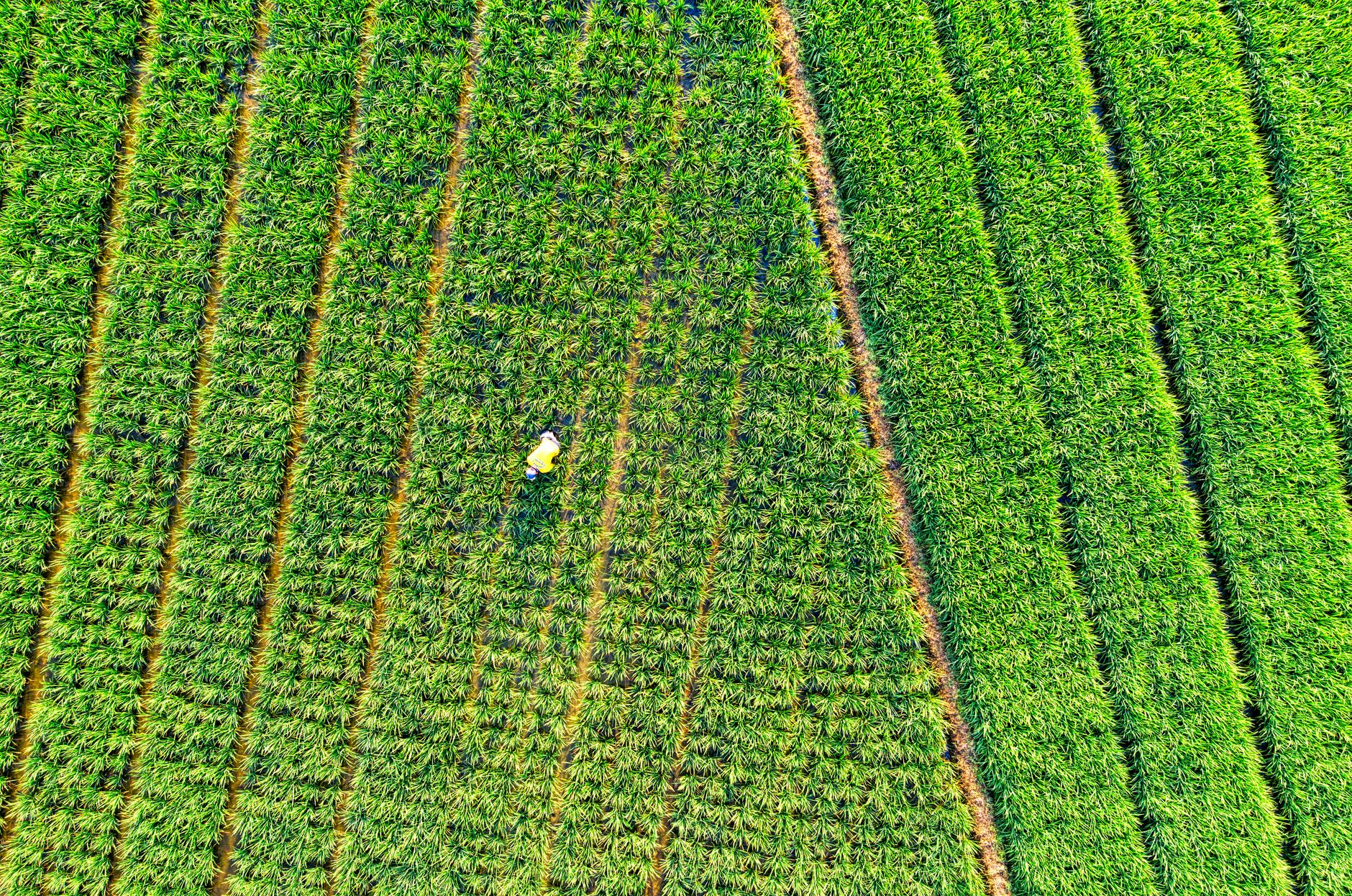
The world is facing a pressing need to increase food production while minimizing the environmental impact of agriculture. One way to address this challenge is through the adoption of smart farming practices, which leverage the power of the Internet of Things (IoT) to optimize crop yields, reduce waste, and improve resource allocation.
What's Going On
According to a recent report, the agriculture IoT market is expected to reach $76.8 billion by 2033, growing at a compound annual growth rate (CAGR) of 11.3% from 2026. This growth is driven by the increasing adoption of smart farming practices, which are enabled by the use of IoT sensors, drones, and other technologies.
The agriculture IoT market is expected to be driven by several key factors, including the increasing demand for food, the need to reduce waste and improve resource allocation, and the growing adoption of smart farming practices. Additionally, the market is expected to be influenced by the development of new technologies, such as precision agriculture and vertical farming.
One of the key sectors driving the growth of the agriculture IoT market is the use of precision agriculture, which involves the use of IoT sensors and other technologies to optimize crop yields and reduce waste. This approach is becoming increasingly popular among farmers, who are looking for ways to improve their efficiency and reduce their environmental impact.
Why This Matters
The growth of the agriculture IoT market has significant implications for the industry as a whole. According to industry analysts, the increasing adoption of smart farming practices is likely to lead to significant improvements in crop yields, reduced waste, and improved resource allocation. This, in turn, is expected to have a positive impact on the environment and help to address the pressing need to increase food production.
The growth of the agriculture IoT market is also expected to have a significant impact on the economy, as it creates new opportunities for businesses and entrepreneurs to develop and sell IoT-enabled farming solutions. This, in turn, is expected to lead to the creation of new jobs and stimulate economic growth.
Finally, the growth of the agriculture IoT market is expected to have a significant impact on the way that farmers work. As IoT technologies become more widespread, farmers are likely to adopt more efficient and sustainable practices, which will help to reduce waste and improve resource allocation.
What It Means for the Industry
The growth of the agriculture IoT market is likely to have a significant impact on the industry as a whole. As more farmers adopt smart farming practices, the demand for IoT-enabled farming solutions is likely to increase, leading to the development of new products and services.
One of the key implications of the growth of the agriculture IoT market is the increasing importance of data analytics. As farmers adopt more efficient and sustainable practices, they are likely to generate more data, which will need to be analyzed and interpreted in order to optimize crop yields and reduce waste.
Another key implication of the growth of the agriculture IoT market is the increasing importance of cybersecurity. As more IoT devices are connected to the internet, the risk of cyber attacks is likely to increase, which could have a significant impact on the industry as a whole.
What Happens Next
Looking ahead, the agriculture IoT market is expected to continue to grow rapidly, driven by the increasing adoption of smart farming practices and advancements in technology. According to the full announcement, the market is expected to reach $76.8 billion by 2033, growing at a CAGR of 11.3% from 2026.
As the agriculture IoT market continues to grow, it is likely to have a significant impact on the industry as a whole. Farmers are likely to adopt more efficient and sustainable practices, leading to improved crop yields and reduced waste. Additionally, the market is expected to create new opportunities for businesses and entrepreneurs to develop and sell IoT-enabled farming solutions.
Finally, the growth of the agriculture IoT market is likely to have a significant impact on the way that farmers work. As IoT technologies become more widespread, farmers are likely to adopt more efficient and sustainable practices, which will help to reduce waste and improve resource allocation.
The agriculture IoT market is expected to be influenced by the development of new technologies, such as precision agriculture and vertical farming. These technologies are becoming increasingly popular among farmers, who are looking for ways to improve their efficiency and reduce their environmental impact.
One of the key drivers of the growth of the agriculture IoT market is the increasing demand for food. As the global population continues to grow, the need for food is likely to increase, leading to a greater demand for efficient and sustainable farming practices.
The growth of the agriculture IoT market is also expected to have a significant impact on the economy, as it creates new opportunities for businesses and entrepreneurs to develop and sell IoT-enabled farming solutions. This, in turn, is expected to lead to the creation of new jobs and stimulate economic growth.
Finally, the growth of the agriculture IoT market is expected to have a significant impact on the way that farmers work. As IoT technologies become more widespread, farmers are likely to adopt more efficient and sustainable practices, which will help to reduce waste and improve resource allocation.
The agriculture IoT market is expected to be influenced by the development of new technologies, such as precision agriculture and vertical farming. These technologies are becoming increasingly popular among farmers, who are looking for ways to improve their efficiency and reduce their environmental impact.
One of the key drivers of the growth of the agriculture IoT market is the increasing demand for food. As the global population continues to grow, the need for food is likely to increase, leading to a greater demand for efficient and sustainable farming practices.
The growth of the agriculture IoT market is also expected to have a significant impact on the economy, as it creates new opportunities for businesses and entrepreneurs to develop and sell IoT-enabled farming solutions. This, in turn, is expected to lead to the creation of new jobs and stimulate economic growth.
Finally, the growth of the agriculture IoT market is expected to have a significant impact on the way that farmers work. As IoT technologies become more widespread, farmers are likely to adopt more efficient and sustainable practices, which will help to reduce waste and improve resource allocation.
As the agriculture IoT market continues to grow, it is likely to have a significant impact on the industry as a whole. Farmers are likely to adopt more efficient and sustainable practices, leading to improved crop yields and reduced waste. Additionally, the market is expected to create new opportunities for businesses and entrepreneurs to develop and sell IoT-enabled farming solutions.
Finally, the growth of the agriculture IoT market is likely to have a significant impact on the way that farmers work. As IoT technologies become more widespread, farmers are likely to adopt more efficient and sustainable practices, which will help to reduce waste and improve resource allocation.
The agriculture IoT market is expected to be influenced by the development of new technologies, such as precision agriculture and vertical farming. These technologies are becoming increasingly popular among farmers, who are looking for ways to improve their efficiency and reduce their environmental impact.
One of the key drivers of the growth of the agriculture IoT market is the increasing demand for food. As the global population continues to grow, the need for food is likely to increase, leading to a greater demand for efficient and sustainable farming practices.
The growth of the agriculture IoT market is also expected to have a significant impact on the economy, as it creates new opportunities for businesses and entrepreneurs to develop and sell IoT-enabled farming solutions. This, in turn, is expected to lead to the creation of new jobs and stimulate economic growth.
Finally, the growth of the agriculture IoT market is expected to have a significant impact on the way that farmers work. As IoT technologies become more widespread, farmers are likely to adopt more efficient and sustainable practices, which will help to reduce waste and improve resource allocation.
The agriculture IoT market is expected to be influenced by the development of new technologies, such as precision agriculture and vertical farming. These technologies are becoming increasingly popular among farmers, who are looking for ways to improve their efficiency and reduce their environmental impact.
One of the key drivers of the growth of the agriculture IoT market is the increasing demand for food


