
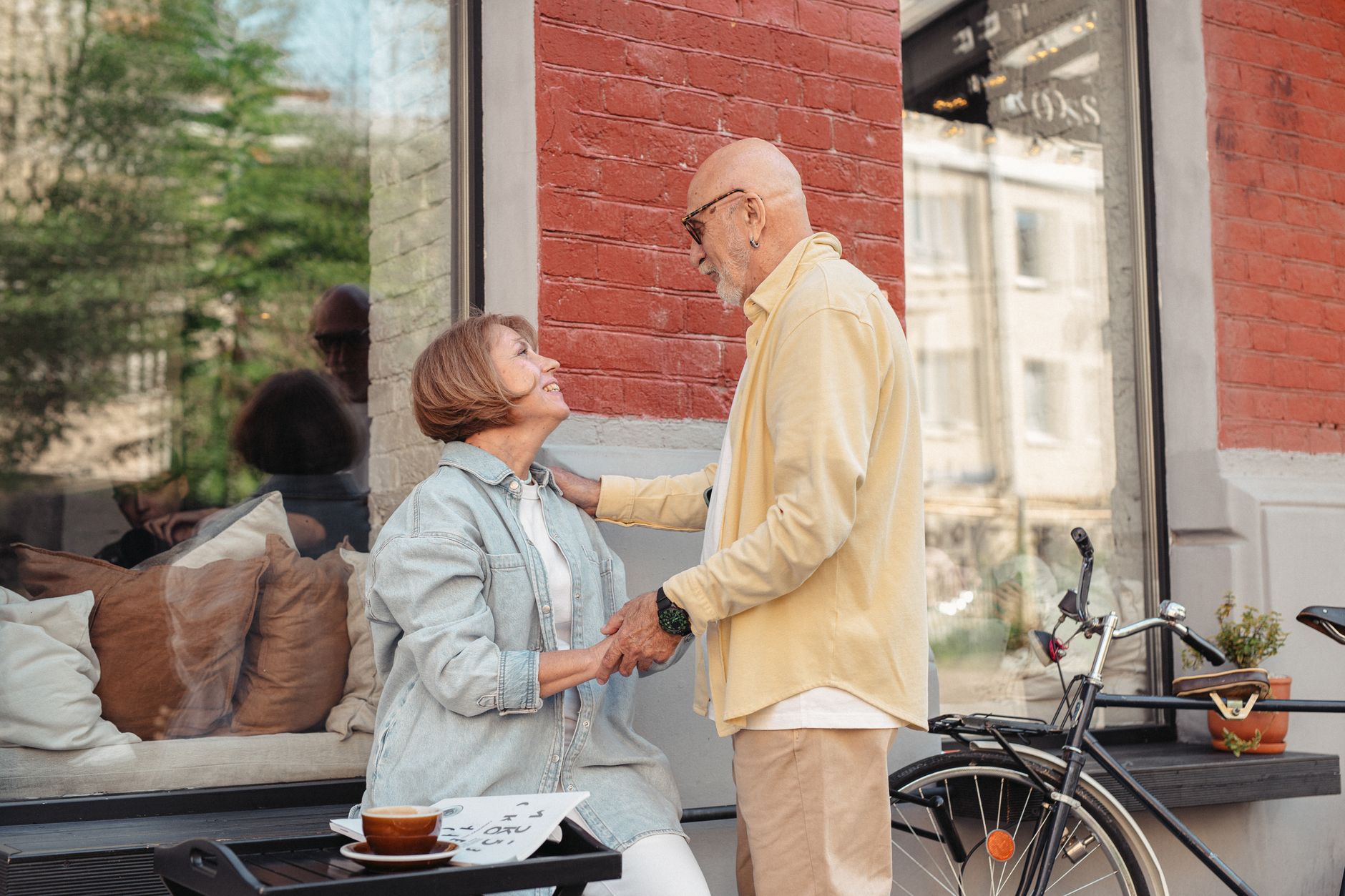
As people age, their living situations often change. Many seniors choose to continue living in their own homes, but with modifications to make their living spaces safer and more comfortable. This approach is known as aging in place, and it's becoming increasingly popular as the population ages. In this article, we'll explore the essential design features that enable seniors to live comfortably and independently in their own homes.
What's Going On
Aging in place is a growing trend in the senior living sector, with many homeowners and caregivers seeking to create homes that are safe, accessible, and comfortable for seniors. According to aging-in-place experts, the key to successful aging in place is designing a home that meets the changing needs of its occupants. This involves incorporating features that promote safety, independence, and comfort, while also reducing the risk of falls and injuries.
One of the primary concerns for seniors is navigating their homes safely. This is where aging-in-place design features come into play. By incorporating features such as wide doorways, non-slip flooring, and grab bars, homeowners can create a safe and accessible living environment that reduces the risk of falls and injuries.
Why This Matters
Industry analysts note that aging in place is not only a trend, but also a necessity. With the global population aging rapidly, there is a growing demand for homes that are designed to meet the needs of seniors. In fact, according to industry experts, the aging-in-place market is expected to reach $40 billion by 2025. This growth is driven by the increasing demand for homes that are safe, accessible, and comfortable for seniors.
The benefits of aging in place extend beyond the individual homeowner. By creating homes that are designed to meet the needs of seniors, caregivers can reduce the burden of caregiving and improve the overall quality of life for their loved ones. Additionally, aging-in-place design features can also reduce healthcare costs by preventing falls and injuries, which are a major cause of hospitalizations and long-term care admissions.
What It Means for the Industry
The aging-in-place trend has significant implications for the building and design industries. As the demand for aging-in-place homes grows, builders and designers must adapt their strategies to meet the changing needs of homeowners. This involves incorporating features such as universal design principles, accessible flooring, and safety-enhancing technologies into new construction and renovation projects.
The industry is responding to this trend by developing new products and services that cater to the needs of seniors. For example, smart home technology is being used to create homes that are safer and more accessible for seniors. Additionally, there is a growing emphasis on sustainable and eco-friendly design, which can help reduce healthcare costs and improve overall well-being.
What Happens Next
The full announcement of the latest aging-in-place design features is expected to be made by industry leaders in the coming months. According to industry insiders, these new features will include advanced safety technologies, accessible design elements, and sustainable building materials. As the industry continues to evolve, it's likely that we'll see even more innovative solutions that cater to the needs of seniors.
The future of aging in place is bright, and it's an opportunity for homeowners, caregivers, and industry leaders to come together to create homes that are safe, accessible, and comfortable for seniors. By incorporating aging-in-place design features into our homes and communities, we can improve the quality of life for seniors and reduce the risk of falls and injuries.
What's Next for Aging-in-Place Design
As the demand for aging-in-place homes continues to grow, it's likely that we'll see even more innovative solutions that cater to the needs of seniors. In fact, according to industry analysts, the aging-in-place market is expected to reach $50 billion by 2030. This growth is driven by the increasing demand for homes that are safe, accessible, and comfortable for seniors.
The future of aging in place is not just about designing homes that are safe and accessible, but also about creating communities that are supportive and inclusive. By working together, we can create a world where seniors can live comfortably and independently in their own homes, free from the fear of falls and injuries.
In conclusion, aging in place is a growing trend that is here to stay. As the demand for aging-in-place homes continues to grow, it's essential that we adapt our strategies to meet the changing needs of homeowners. By incorporating aging-in-place design features into our homes and communities, we can improve the quality of life for seniors and reduce the risk of falls and injuries.


