
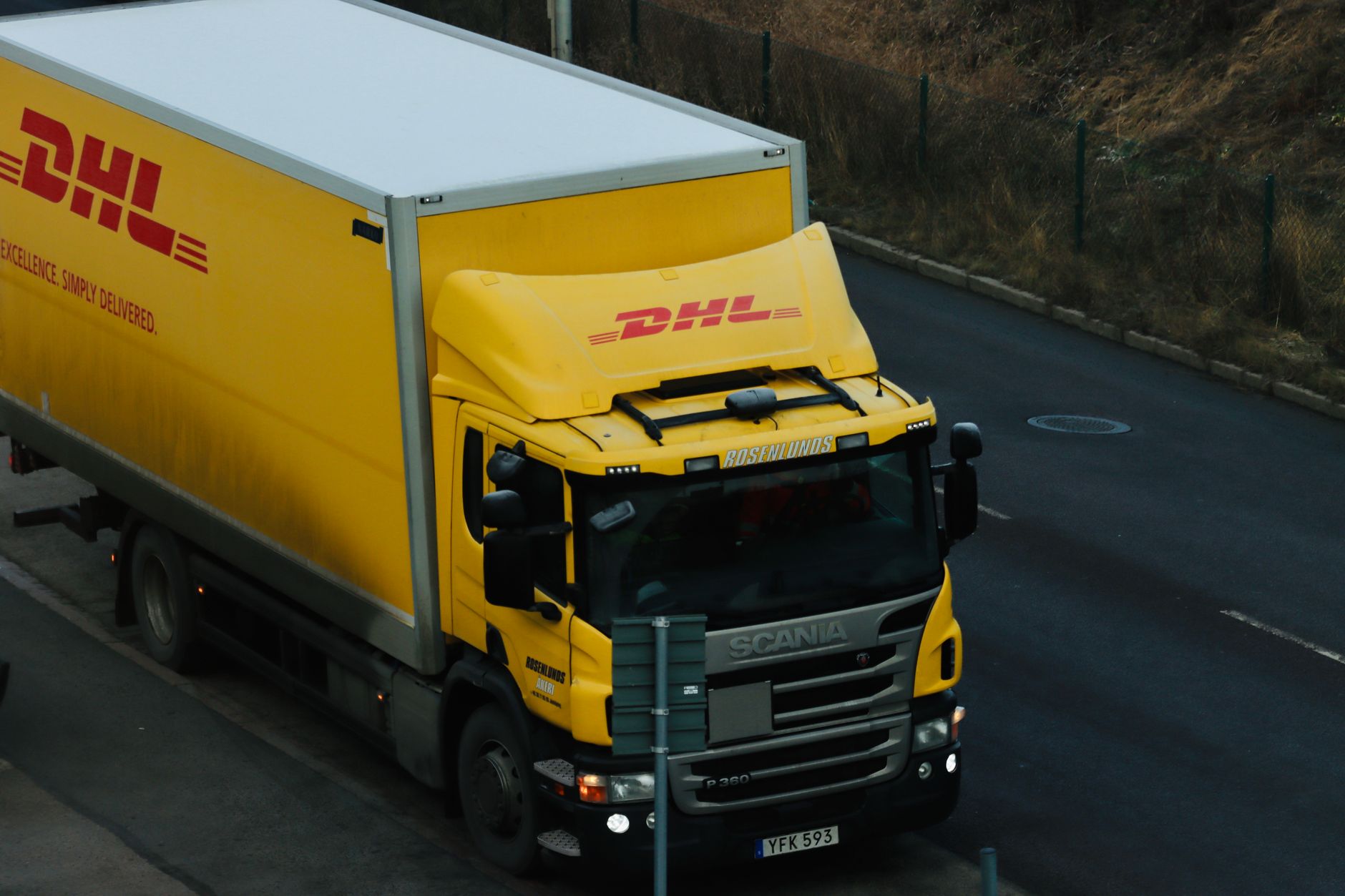
The logistics sector is on the cusp of a revolution, with automation and robotics set to transform the way goods are transported, stored, and delivered. At the forefront of this change is DHL Supply Chain, the logistics arm of the global shipping giant Deutsche Post DHL Group.
What's Going On
According to Fortune, DHL Supply Chain is already deploying an impressive 8,000 robots across its operations to streamline processes, improve efficiency, and enhance productivity. This robotic workforce is helping the company to better manage its vast network of warehouses, distribution centers, and transportation routes.
The deployment of these robots has been a gradual process, with the company starting with small-scale trials in the early 2020s. However, as the technology has advanced and costs have decreased, DHL Supply Chain has been able to scale up its robotic workforce, with the current number of 8,000 robots representing a significant milestone in its automation journey.
The robots are being used for a range of tasks, including sorting and packaging, inventory management, and transportation. They are also being used to support the company's e-commerce business, helping to ensure fast and reliable delivery of online orders.
Why This Matters
The impact of DHL Supply Chain's robotic workforce extends beyond the company itself, with significant implications for the wider logistics industry. As industry analysts note, the adoption of automation and robotics is set to become increasingly widespread in logistics, with companies looking to improve efficiency, reduce costs, and enhance customer experience.
This shift towards automation has significant implications for the workforce, with many roles potentially being impacted by the introduction of robots. However, DHL Supply Chain is taking steps to mitigate this impact, with a focus on upskilling and reskilling workers to work alongside robots, rather than replacing them.
The company is also working to ensure that its robotic workforce is integrated with existing systems and processes, to minimize disruption and maximize benefits. This includes investing in advanced software and data analytics, to enable real-time monitoring and optimization of its robotic workforce.
What It Means for the Industry
The adoption of automation and robotics in logistics has significant implications for the industry as a whole. As companies look to improve efficiency and reduce costs, there will be a growing demand for skilled workers who can operate and maintain these systems.
The shift towards automation also has significant implications for supply chain management, with companies looking to adopt more agile and responsive approaches to meet changing customer demands. This includes the use of artificial intelligence (AI) and machine learning (ML) to optimize inventory management, demand forecasting, and route optimization.
The adoption of robotics and automation also has significant implications for the environment, with reduced energy consumption and lower emissions. This is particularly important in the logistics sector, where transportation and storage are major contributors to greenhouse gas emissions.
What Happens Next
As DHL Supply Chain continues to deploy its robotic workforce, there will be significant opportunities for other companies in the logistics industry to follow suit. The company has already announced plans to expand its robotic workforce to other regions, including Asia and South America, and is expected to continue its investment in automation and robotics in the coming years.
The full announcement from DHL Supply Chain on its robotic workforce is expected to be made in the coming weeks, with further details on its plans and ambitions for the future.
As the logistics sector continues to evolve, it will be interesting to see how other companies respond to the adoption of automation and robotics. Will they follow DHL Supply Chain's lead, or will they take a different approach? Whatever the outcome, one thing is certain: the future of logistics is automation, and companies that fail to adapt will be left behind.
With its 8,000 robots already on the ground, DHL Supply Chain is well-positioned to lead the way in this new era of logistics. As the company continues to push the boundaries of automation and robotics, it will be exciting to see how it continues to evolve and adapt to changing customer demands.


