
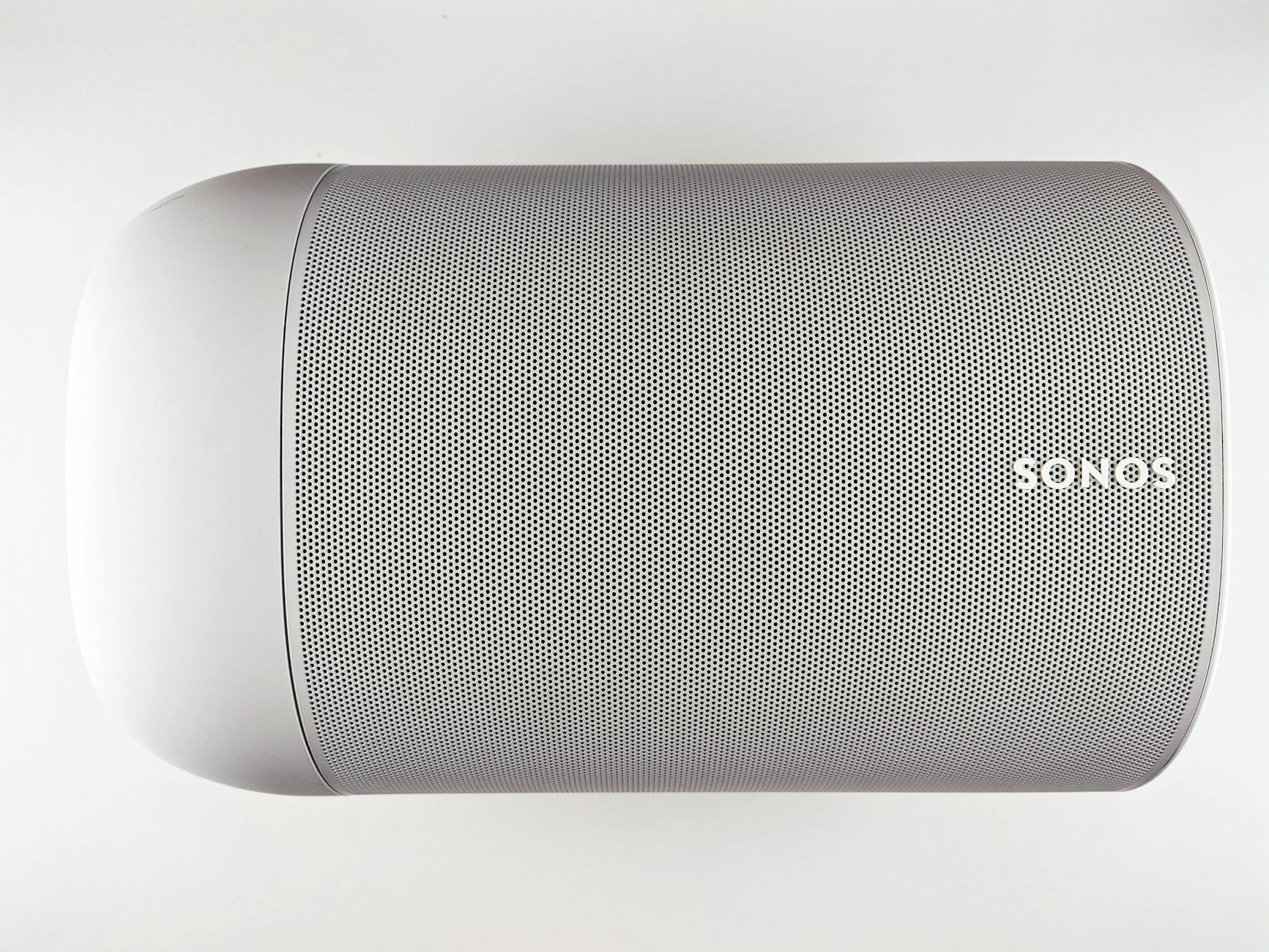
When Sonos unveiled the Ace Ultra, the buzz was louder than a stadium concert. As a longtime fan of Sonos’ ecosystem, I was eager to see whether the new model would simply be a cosmetic refresh or a genuine leap forward. After weeks of daily commutes, marathon listening sessions, and a few sweaty gym workouts, I’ve pinpointed five upgrades that transformed my experience from “nice to have” to “can't live without.” If you’re on the fence, keep reading – these enhancements might just tip the scales in favor of the Ace Ultra.
What's Going On
Sonos has long been praised for its seamless multi‑room audio, but the Ace Ultra pushes the brand into the premium headphone arena with a suite of thoughtful improvements. According to TechRadar, the new model refines everything from driver size to battery chemistry, delivering a richer, more immersive soundstage while staying true to Sonos’ signature ease of use.
The first thing you notice is the sturdier yet lighter frame. Sonos switched to a magnesium‑alloy chassis that feels premium without adding bulk, and the ear cups now swivel a full 180 degrees for easier storage. This design tweak may seem minor, but it translates into a more comfortable fit for long listening periods and a sleek, travel‑ready silhouette that slides neatly into a backpack.
Beyond the physical redesign, the Ace Ultra introduces an upgraded Bluetooth 5.3 radio, which not only reduces latency for video sync but also improves connection stability in crowded environments like cafés or public transport. Pairing is still a breeze thanks to Sonos’ one‑tap setup, but now you’ll experience fewer dropouts and a more reliable link even when the signal is fighting through walls.
Why This Matters
The audio industry is currently in a race to marry high‑fidelity sound with true wireless convenience, and the Ace Ultra’s enhancements position Sonos as a serious contender. As Windows Central notes, the integration of a custom‑tuned 40 mm driver with a new acoustic chamber design delivers a wider frequency response, especially in the low‑end where many competitors fall flat. This means deeper bass without sacrificing clarity, a crucial factor for genre‑spanning listeners who move from classical symphonies to bass‑heavy hip‑hop without adjusting settings.
From a consumer perspective, the upgraded battery life is a game‑changer. The Ace Ultra now offers up to 30 hours of playback on a single charge, thanks to a higher‑capacity lithium‑polymer cell and smarter power management algorithms. For frequent travelers, that translates to a full week of use without hunting for an outlet, and the quick‑charge feature tops off 5 hours of listening in just 15 minutes.
Professionals who rely on accurate sound for editing, mixing, or remote collaboration will appreciate the low‑latency mode that syncs audio within 30 ms of video. This is essential for virtual meetings where audio lag can be distracting, and it also benefits gamers who demand precise timing. The Ace Ultra’s ability to maintain a stable connection while delivering studio‑grade sound is a rare combination that sets it apart from many “budget” wireless headphones.
What It Means for the Industry
Sonos’ decision to embed a high‑resolution DAC (digital‑to‑analog converter) directly into the headphones signals a shift toward on‑device processing power that rivals dedicated portable music players. By handling the digital decoding internally, the Ace Ultra reduces reliance on the source device’s audio stack, ensuring consistent sound quality across smartphones, tablets, and laptops. This move could pressure other manufacturers to prioritize internal DACs, especially as consumers become more discerning about audio fidelity.
The integration of spatial audio algorithms, previously reserved for high‑end over‑ear models, suggests that Sonos is betting on immersive sound experiences becoming mainstream. As streaming services roll out Dolby Atmos and Sony 360 Reality Audio, headphones that can decode and render these formats natively will gain a competitive edge. The Ace Ultra’s support for these standards positions it as a future‑proof device, encouraging the industry to accelerate the adoption of spatial audio in the wireless headphone segment.
Strategically, Sonos is leveraging its ecosystem advantage by allowing the Ace Ultra to act as a remote speaker within the Sonos app. Users can route audio from any Sonos speaker to the headphones, effectively turning a home sound system into a personal listening zone. This cross‑device flexibility blurs the line between stationary and portable audio, a trend that could inspire other brands to develop tighter integrations across their product lines.
What Happens Next
Looking ahead, the rollout of firmware updates promises to unlock even more features, such as adaptive EQ that learns your listening habits and automatically adjusts the sound profile. According to Plymouth Herald, Sonos is also exploring partnerships with audiophile‑grade streaming services, which could bring lossless audio directly to the Ace Ultra without the need for external hardware.
In the meantime, the Ace Ultra already feels like a premium investment that pays for itself in everyday convenience, sound quality, and durability. If you’re still debating whether to upgrade from the original Ace or jump from a competitor’s mid‑range model, consider the cumulative impact of these five upgrades: a lighter frame, superior drivers, longer battery life, low‑latency connectivity, and ecosystem integration. For a deeper dive into the specs and how they compare to the original model, you can also check out the detailed coverage from Digit, which highlights how the Ace Ultra stacks up against other market leaders.
Ultimately, the Sonos Ace Ultra isn’t just an incremental refresh; it’s a statement that high‑fidelity, truly wireless audio can be both luxurious and practical. Whether you’re a commuter, a creator, or a casual listener, these upgrades make the Ace Ultra a compelling choice that justifies its price tag. Keep an eye on future software enhancements, because Sonos seems poised to keep adding value long after you’ve unboxed the headphones.


