
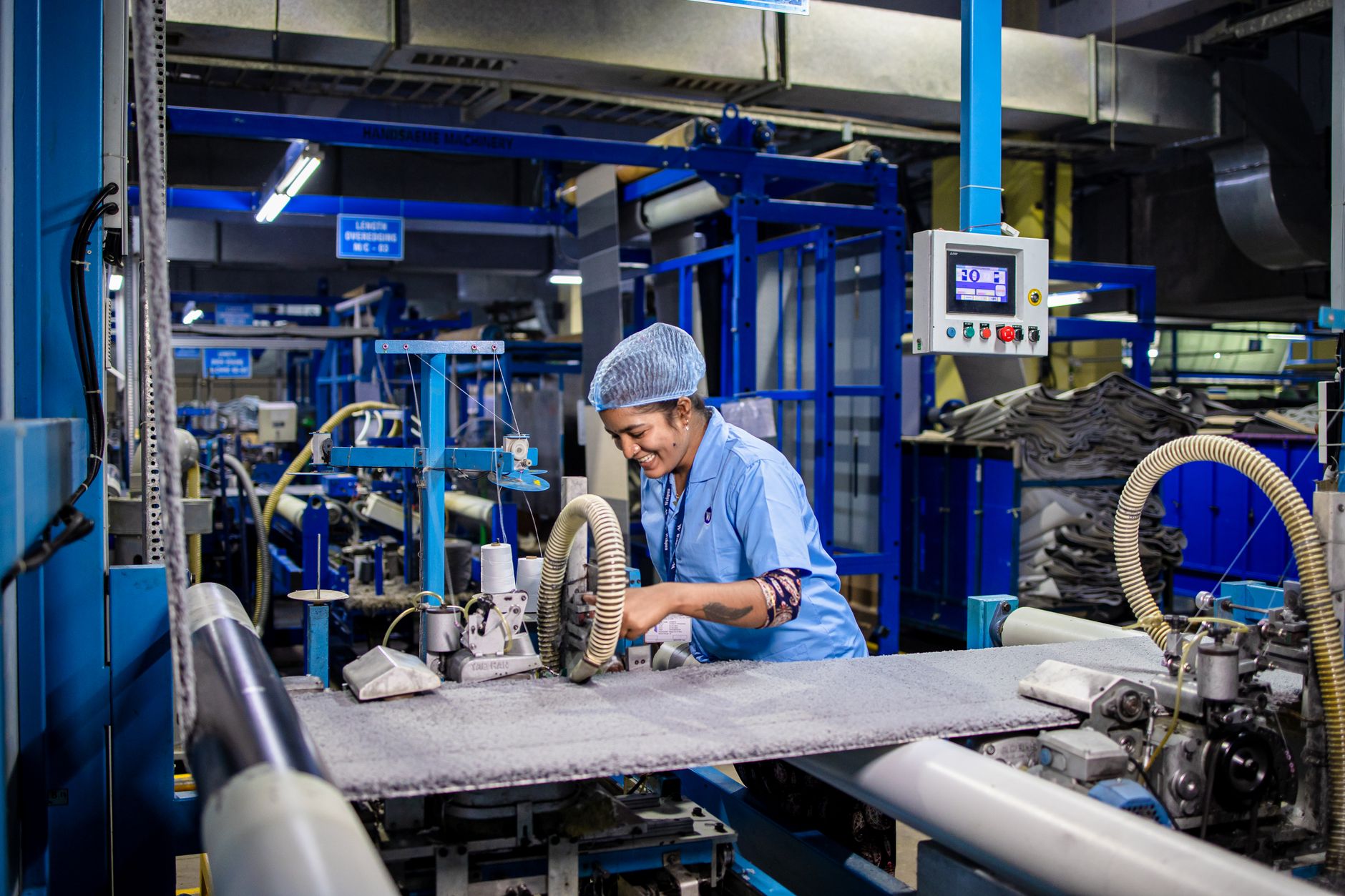
The Indian textile sector has always been a bellwether for the nation’s industrial vigor, but this year the spotlight shines brighter than ever on Bengaluru, the Silicon Valley of the South. The 40th Garment Technology Expo 2026 opened its doors with a fanfare of drones, AI‑driven cutting tables, and a palpable buzz that suggests the era of manual stitching is finally giving way to a hyper‑connected, data‑rich manufacturing ecosystem. If you thought the last decade was transformative, the innovations on display this week promise a quantum leap—think self‑optimizing production lines, zero‑defect quality assurance, and circular‑economy fabrics that can be recycled at the click of a button. Let’s unpack why this gathering matters, how it could rewrite the rulebook for apparel makers worldwide, and what the road ahead looks like for an industry that feeds the world’s closets.
What's Going On
The expo kicked off in Bengaluru’s sprawling convention center, drawing over 500 exhibitors from 30 countries, ranging from legacy loom manufacturers to cutting‑edge AI startups. According to Business News | 40th Garment Technology, the event’s theme—“Smarter, Automated & Future‑Ready Garment Manufacturing”—captures a collective ambition to fuse traditional craftsmanship with next‑generation technology. The inauguration featured a keynote from the Karnataka Minister of Industries, who highlighted the state’s commitment to a $10 billion apparel export target by 2030, backed by incentives for factories that adopt Industry 4.0 standards.
Among the headline attractions was a live demo of an AI‑powered fabric inspection system that can detect weave defects, color inconsistencies, and even subtle pattern misalignments in milliseconds. The system feeds data into a cloud‑based dashboard, allowing line managers to make real‑time adjustments without halting production. Another crowd‑pleaser was a collaborative robot (cobot) that assists human operators in button‑holing and seam stitching, reducing fatigue and boosting throughput by up to 30 percent. These technologies are not isolated novelties; they represent a concerted push toward a fully integrated, end‑to‑end digital supply chain.
Beyond hardware, the expo showcased software platforms that promise to unify design, sourcing, and manufacturing under a single digital umbrella. Startups demonstrated blockchain‑enabled traceability tools that log every fiber’s journey—from farm to finished garment—ensuring compliance with sustainability certifications like GOTS and Fair Trade. Meanwhile, a consortium of textile universities presented a predictive maintenance model that uses sensor data to forecast machine breakdowns weeks in advance, slashing unplanned downtime and extending equipment lifespans. The breadth of solutions on display underscores a fundamental shift: the garment industry is finally treating data as a strategic asset rather than an afterthought.
Why This Matters
The ripple effects of these innovations extend far beyond the exhibition hall. As Quality Management System (QMS) Software analysts predict, the global market for quality‑focused manufacturing solutions is set to surpass $20 billion by 2031, driven largely by apparel manufacturers seeking to meet stricter regulatory standards and consumer expectations. By integrating AI‑driven quality checks, factories can dramatically reduce defect rates, which translates into lower waste, higher profit margins, and a greener footprint—key differentiators in an increasingly eco‑conscious market.
From a macroeconomic perspective, the automation wave could reshape employment patterns across the sector. While there are legitimate concerns about job displacement, the consensus among economists is that technology will also create new roles—data analysts, AI model trainers, and robotics maintenance specialists—requiring upskilling and reskilling initiatives. Governments and industry bodies are already drafting curricula to bridge this gap, ensuring that the workforce evolves in tandem with the machines.
Consumers, too, stand to benefit. Faster, more reliable production pipelines mean that fashion cycles can shorten without compromising quality, allowing brands to respond swiftly to trend shifts and reduce overproduction. Moreover, the traceability solutions on showcase empower shoppers to verify the ethical and environmental credentials of each purchase, fostering a deeper sense of trust and brand loyalty.
What It Means for the Industry
For established manufacturers, the expo serves as both a wake‑up call and a roadmap. Companies that cling to legacy equipment risk being outpaced by agile competitors that can reconfigure production lines at a moment’s notice. The integration of AI, IoT sensors, and cloud analytics creates a feedback loop where every stitch, cut, and fold generates data that can be mined for efficiency gains. Those who invest early in these ecosystems will likely enjoy a competitive edge in cost reduction, lead‑time compression, and product customization.
Startups and technology providers have a fertile playground. The convergence of textile engineering with software development opens avenues for niche solutions—think AI models that predict fabric drape behavior or AR tools that let designers visualize garments on virtual avatars before a single thread is cut. Partnerships between traditional OEMs and tech innovators are emerging as the preferred growth strategy, blending deep domain expertise with cutting‑edge R&D.
One sector that often flies under the radar is the ancillary chemicals market, which supplies dyes, finishes, and curing agents essential for modern fabrics. According to a recent market analysis, the Epoxy Curing Agent Market Size to Reach significant growth as electronics‑integrated textiles gain traction. As smart garments embed sensors and conductive pathways, the demand for advanced curing agents that can withstand repeated flexing and washing cycles will surge, creating a symbiotic relationship between apparel manufacturers and specialty chemical producers.
What Happens Next
The momentum generated at the expo is expected to translate into concrete policy initiatives and investment pipelines over the next twelve months. Industry leaders have pledged to launch a “Digital Garment Manufacturing Alliance” that will standardize data formats, share best practices, and co‑fund pilot projects across the supply chain. The full announcement, captured in the thought‑provoking piece “AI’s Promise, Humanity’s Responsibility”, underscores the ethical imperative of deploying AI responsibly—ensuring transparency, mitigating bias, and safeguarding worker welfare.
Looking ahead, we can anticipate a cascade of collaborations between Indian textile hubs and global tech giants, joint research labs focused on sustainable fiber development, and a surge in venture capital flowing into garment‑tech startups. For brands, the next logical step will be to embed these technologies into their sourcing strategies, turning “smart factories” from a buzzword into a baseline expectation.
In the end, the 40th Garment Technology Expo is more than a showcase—it’s a catalyst that could accelerate the industry’s evolution from a labor‑intensive craft to a data‑driven, sustainable, and highly responsive ecosystem. The question isn’t whether automation will arrive, but how quickly and responsibly the sector can harness it to create value for manufacturers, workers, and consumers alike.


