
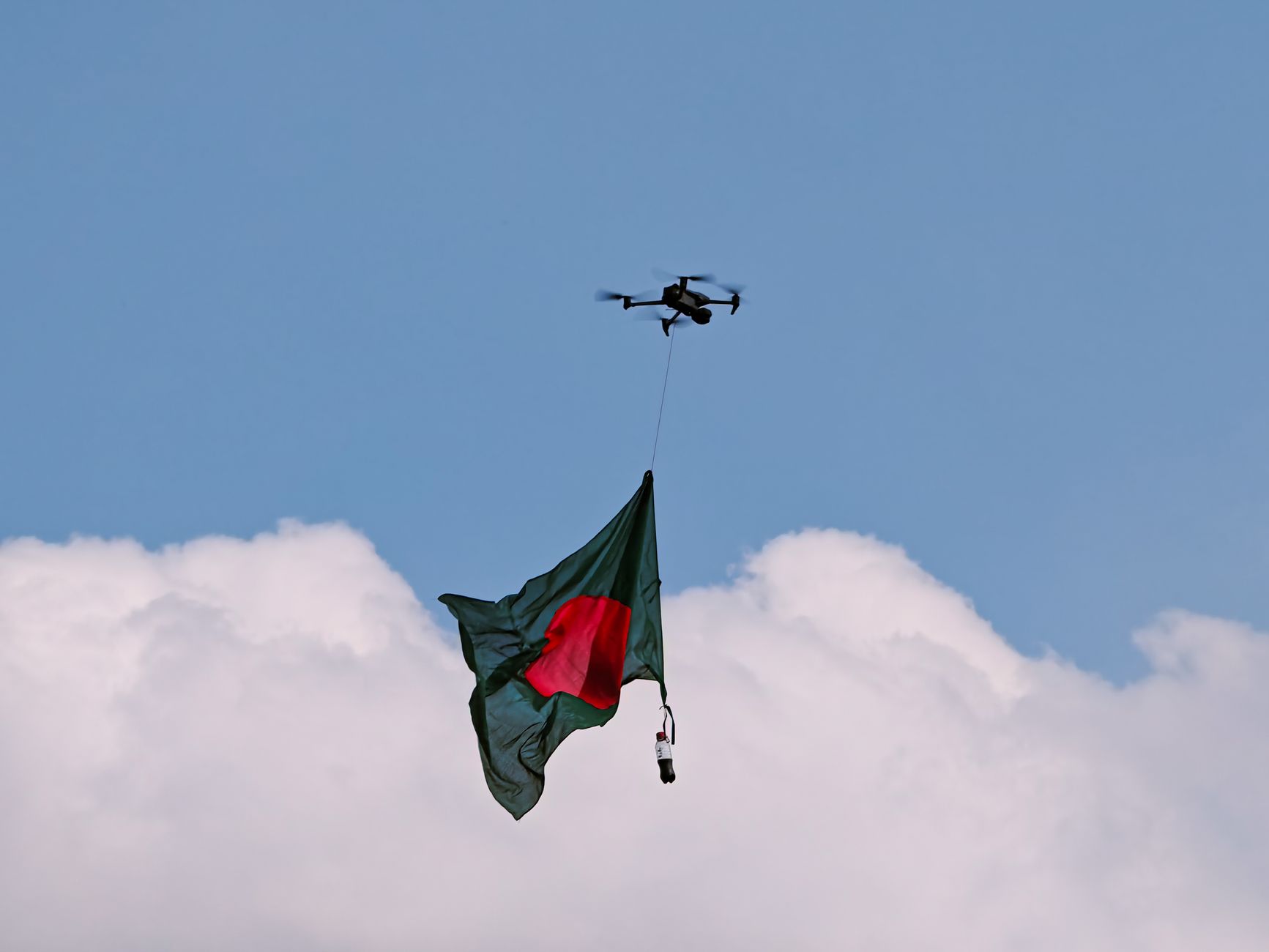
Bangladesh is buzzing with excitement as the nation’s most ambitious showcase of homegrown technology and entrepreneurship rolls out its red carpet. Over the next three days, the country will host a whirlwind of demos, pitch sessions, and networking events that promise to put Bangladeshi innovators on the global map. Whether you’re a venture capitalist hunting the next unicorn, a policy‑maker shaping the future of digital infrastructure, or simply a tech enthusiast curious about the next big thing, the Innovation Fair is the place to be.
What's Going On
According to the official announcement of the 3‑day Bangladesh Innovation Fair 2026, the event kicks off this Thursday at the Dhaka International Trade Fairground, drawing more than 500 startups, 200 investors, and a host of government officials. The fair is organized by the Ministry of ICT, in partnership with the Bangladesh Association of Software and Information Services (BASIS) and several leading universities.
The agenda is packed: a “Future of FinTech” showcase, a green‑tech pavilion, AI‑driven health solutions, and a dedicated arena for agritech innovations that aim to boost crop yields and reduce post‑harvest loss. In addition, there are hands‑on workshops on blockchain development, data analytics, and low‑code platforms, all designed to upskill participants and spark cross‑industry collaborations.
Beyond the exhibit halls, the fair features a “Startup Pitch Marathon” where selected entrepreneurs have just five minutes to convince a panel of seasoned investors. Winners walk away with seed funding, mentorship, and media exposure that can accelerate their growth trajectory. Meanwhile, a parallel “Policy Lab” invites regulators to discuss the challenges of scaling emerging technologies in a developing economy, ensuring that innovation and regulation move forward hand‑in‑hand.
Why This Matters
Industry analysts note that the fair represents a watershed moment for Bangladesh’s tech ecosystem, signaling a shift from a service‑oriented outsourcing model to a product‑centric, innovation‑driven economy. The convergence of capital, talent, and policy under one roof creates a fertile environment for startups to scale beyond the local market and compete internationally.
Bangladesh’s youthful demographic—over 60% under the age of 30—means a massive pool of potential creators, coders, and early adopters. By providing a platform where these young minds can showcase solutions to real‑world problems—such as affordable renewable energy, smart agriculture, and inclusive finance—the fair is cultivating a generation of problem‑solvers who can address both domestic challenges and global market needs.
The ripple effects extend to the broader South Asian region. Neighboring countries are watching closely, eager to replicate Bangladesh’s model of government‑backed innovation acceleration. Investors from Singapore, Japan, and the United States have already expressed interest, hinting at a surge in cross‑border funding that could reshape the regional venture landscape.
What It Means for the Industry
From a strategic perspective, the fair is a litmus test for the readiness of Bangladesh’s tech sector to handle large‑scale, high‑impact projects. Companies that demonstrate robust product‑market fit during the event are likely to attract not just capital but also strategic partnerships with multinational corporations seeking to localize their offerings.
The presence of major telecom operators, renewable energy firms, and agricultural conglomerates signals a growing appetite for integrated solutions. For instance, a startup presenting a low‑cost IoT sensor for soil moisture could partner with a telecom giant to leverage 5G networks for real‑time data transmission, creating a scalable agritech ecosystem that benefits both farmers and investors.
Moreover, the fair’s emphasis on policy dialogue is reshaping the regulatory environment. By bringing policymakers into the conversation early, the ecosystem can anticipate compliance hurdles, streamline licensing processes, and establish sandbox environments where experimental technologies can be tested safely. This proactive approach reduces the friction that often stalls innovation in emerging markets.
What Happens Next
Looking ahead, the official announcement outlines a roadmap that extends far beyond the three‑day event. Organizers plan to launch an “Innovation Hub” in Dhaka, providing year‑round co‑working spaces, mentorship programs, and a grant fund dedicated to scaling the most promising projects showcased at the fair.
Stakeholders are also discussing the creation of a “National Innovation Index” that will track progress across sectors, offering transparency and encouraging healthy competition among regions. This data‑driven approach aims to attract further foreign direct investment by showcasing measurable outcomes and success stories.
As the curtain falls on the inaugural day, the momentum is palpable. Entrepreneurs are already lining up for follow‑up meetings, investors are drafting term sheets, and policymakers are drafting new frameworks to nurture the next wave of homegrown tech champions. For anyone watching the evolution of South Asia’s tech landscape, the 3‑day Bangladesh Innovation Fair 2026 is more than an event—it’s a catalyst for a new era of homegrown innovation.


