
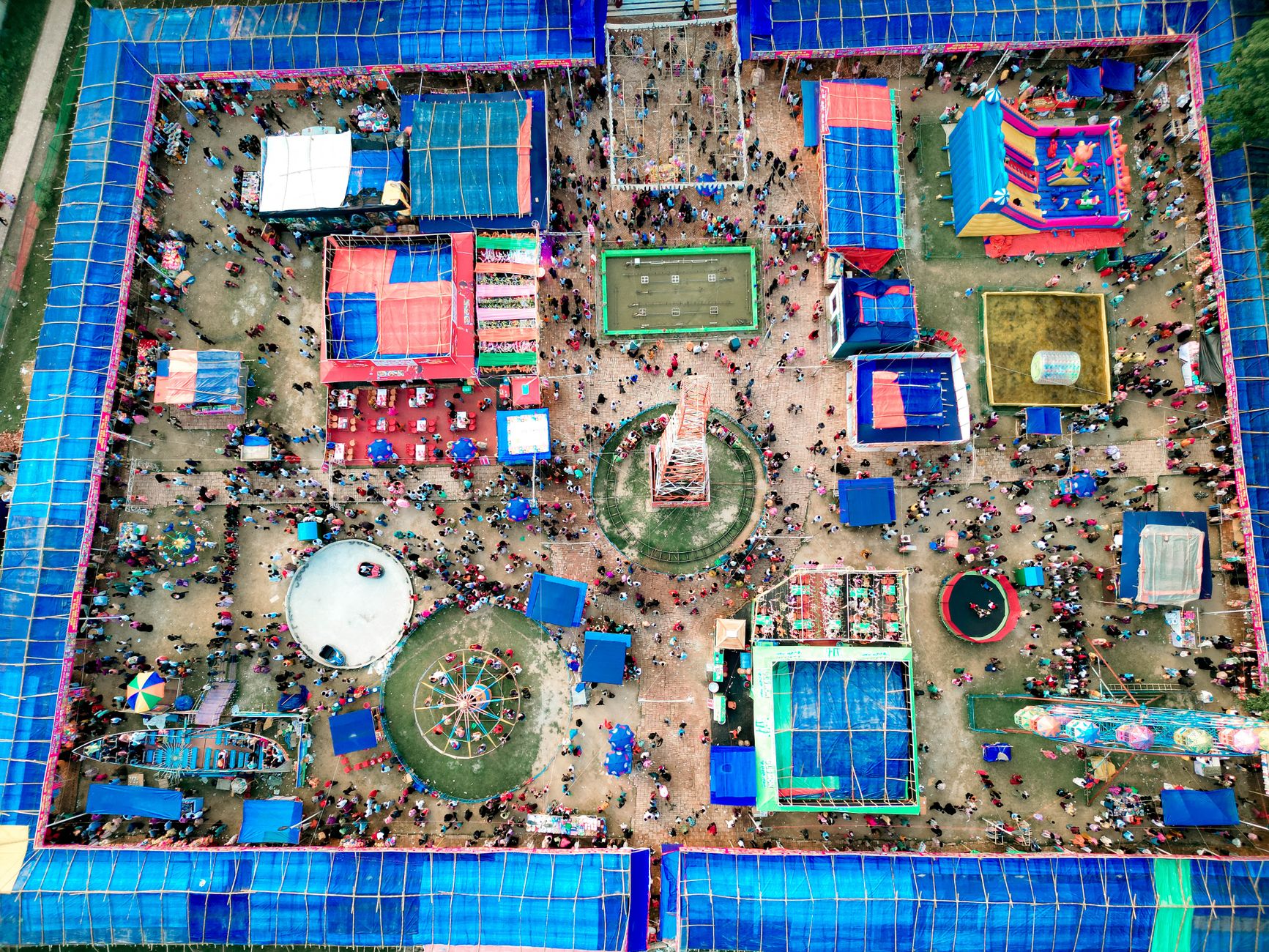
The buzz in Dhaka is electric. From bustling exhibition halls to packed conference rooms, the 3‑day Bangladesh Innovation Fair 2026 has officially opened, drawing entrepreneurs, investors, policy makers, and curious onlookers alike. This isn’t just another trade show; it’s a bold declaration that Bangladesh is stepping onto the global stage as a hub for cutting‑edge technology, sustainable solutions, and homegrown creativity. If you’ve ever wondered where the next wave of AI‑driven fintech or climate‑smart agriculture will emerge, look no further than the vibrant corridors of this fair.
What's Going On
According to BSS News reports, the fair spans three days and features over 200 exhibitors ranging from university research labs to seasoned startups. The event is organized by the Ministry of Science and Technology in partnership with the Bangladesh Association of Software and Information Services (BASIS) and aims to provide a platform for innovators to demonstrate prototypes, secure funding, and forge strategic partnerships.
Day one kicked off with a high‑energy opening ceremony that included a keynote from the Minister of ICT, who emphasized the government’s commitment to creating a “digital Bangladesh” by 2030. The stage was set with a dazzling light show that incorporated locally designed LED installations, symbolizing the blend of tradition and modernity that defines the country’s tech narrative.
Exhibits are organized into thematic zones: Artificial Intelligence & Machine Learning, FinTech & Digital Payments, Renewable Energy & Smart Cities, Agritech, and HealthTech. Each zone is curated to highlight both the problem being solved and the unique Bangladeshi context behind the solution. For instance, a startup from Chittagong showcased a low‑cost AI‑driven water quality sensor designed for rural communities, while a Dhaka‑based fintech firm demonstrated a blockchain‑based micro‑loan platform that reduces transaction costs for smallholder farmers.
Beyond the exhibition floor, the fair hosts a packed agenda of panel discussions, pitch competitions, and hands‑on workshops. Notable sessions include “AI for Social Good,” where NGOs discuss leveraging machine learning to predict disease outbreaks, and “Green Tech Financing,” which explores innovative financing models for solar micro‑grids in off‑grid villages. The pitch competition, judged by a panel of venture capitalists and industry veterans, offers a grand prize of $100,000 in seed funding, and already a handful of startups have secured interest from regional investors.
Why This Matters
Industry analysts note that Bangladesh’s tech sector has been growing at an average annual rate of 15% over the past five years, outpacing many neighboring economies. The fair serves as a catalyst for this momentum, providing a rare convergence point for talent, capital, and policy. By showcasing tangible solutions to local challenges—such as flood‑resilient infrastructure or affordable telemedicine—the event underscores the country’s capacity to innovate from within, rather than relying solely on imported technology.
The ripple effects extend beyond the immediate participants. Educational institutions are sending students and faculty to present research, fostering a culture of applied learning. International media coverage is amplifying Bangladesh’s brand as a tech destination, which can attract foreign direct investment and encourage diaspora entrepreneurs to return home with new ideas and expertise.
Moreover, the fair highlights the growing importance of sustainable development in the tech agenda. With climate change posing existential threats to low‑lying nations, the emphasis on renewable energy, climate‑smart agriculture, and resilient urban planning is both timely and strategic. Companies that can align profit with purpose are likely to thrive, and the fair is effectively curating a pipeline of such ventures.
What It Means for the Industry
For startups, the fair is a launchpad. The exposure to investors, potential customers, and media can accelerate product development cycles dramatically. Many participants have already reported receiving term sheets within days of their demo sessions, a testament to the appetite for innovative solutions that address real‑world problems.
Established corporations are also paying close attention. Several multinational firms have set up scouting teams to identify acquisition targets or partnership opportunities. This could lead to a wave of strategic investments that bring not only capital but also mentorship, global market access, and advanced R&D capabilities to the Bangladeshi ecosystem.
The government’s involvement signals a shift toward more supportive policies. Anticipated outcomes include streamlined startup registration processes, tax incentives for R&D, and expanded broadband infrastructure to support digital enterprises. If these policy levers are effectively implemented, Bangladesh could see a surge in homegrown unicorns within the next decade.
From a talent perspective, the fair is inspiring a new generation of engineers, data scientists, and designers. The hands‑on workshops are teaching practical skills—such as building low‑code AI models or designing IoT hardware—that can be immediately applied in the workplace. This upskilling is crucial for closing the talent gap that has historically hampered rapid scaling of tech ventures.
Finally, the collaborative atmosphere fosters cross‑sector innovation. For example, a healthtech startup partnered with an agritech firm to develop a nutrition‑tracking app that uses data from farm produce yields, creating a holistic solution that addresses both health and food security. Such interdisciplinary collaborations are likely to become more common as the ecosystem matures.
What Happens Next
Organizers have hinted that the momentum will continue beyond the three‑day window. In the coming weeks, a series of follow‑up events—regional roadshows, accelerator programs, and a national innovation summit—are slated to keep the conversation alive. Stakeholders are encouraged to stay tuned to the full announcement for detailed schedules and opportunities to get involved.
Looking ahead, the true test will be how many of the showcased ideas transition from prototype to market. Success stories will not only validate the fair’s impact but also inspire a virtuous cycle of investment, talent development, and policy support. As the fair concludes, the buzz will likely shift toward the next generation of innovators who will build on the foundations laid this week.
In the grand scheme, the Bangladesh Innovation Fair 2026 is more than an event; it’s a statement of intent. It tells the world that Bangladesh is ready to contribute meaningfully to the global tech narrative, leveraging its unique challenges as springboards for breakthrough solutions. For anyone watching the evolution of South Asia’s tech landscape, this fair is a milestone worth following closely.


